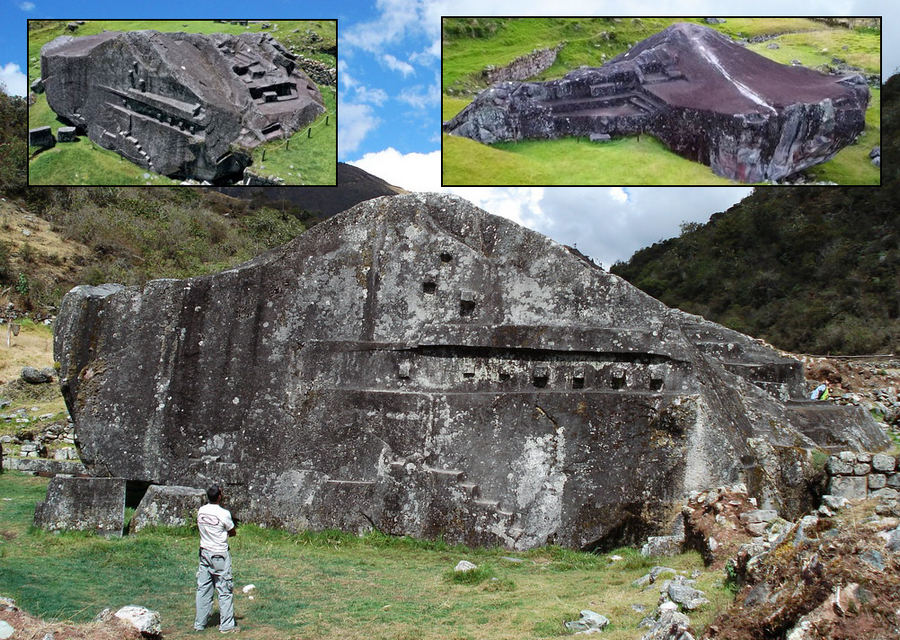
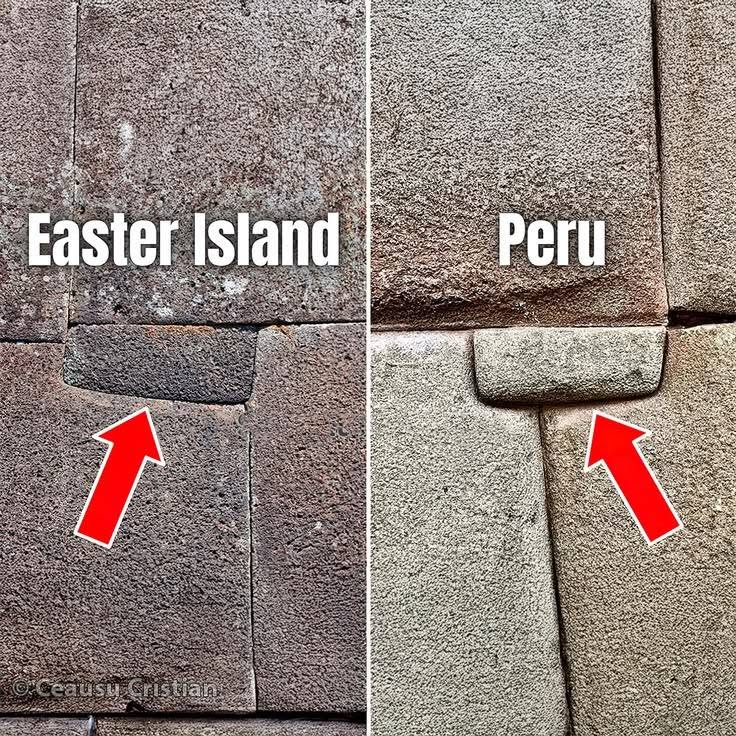
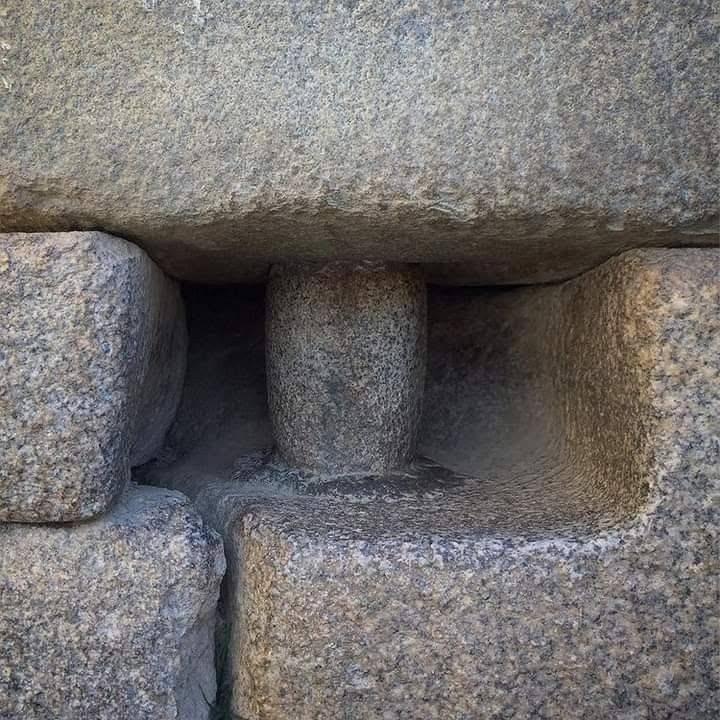
The archaeological site where this exceptional garment was discovered is the Tarkhan necropolis, an ancient Egyptian cemetery located approximately 50 kilometers south of Cairo on the west bank of the Nile. Excavated extensively during the early 20th century, this burial ground yielded a wealth of artifacts spanning the transition from the Predynastic period to the Early Dynastic period. The specific context of the find was a first-dynasty tomb (specifically designated as Mastaba 2050), where various funerary remains, pottery fragments, and textiles had been intermixed. Due to the arid desert climate of Upper Egypt, organic materials that would typically decompose in other environments were exceptionally preserved beneath layers of dry sand and debris, creating a micro-environment ideal for the long-term survival of ancient organic matter.
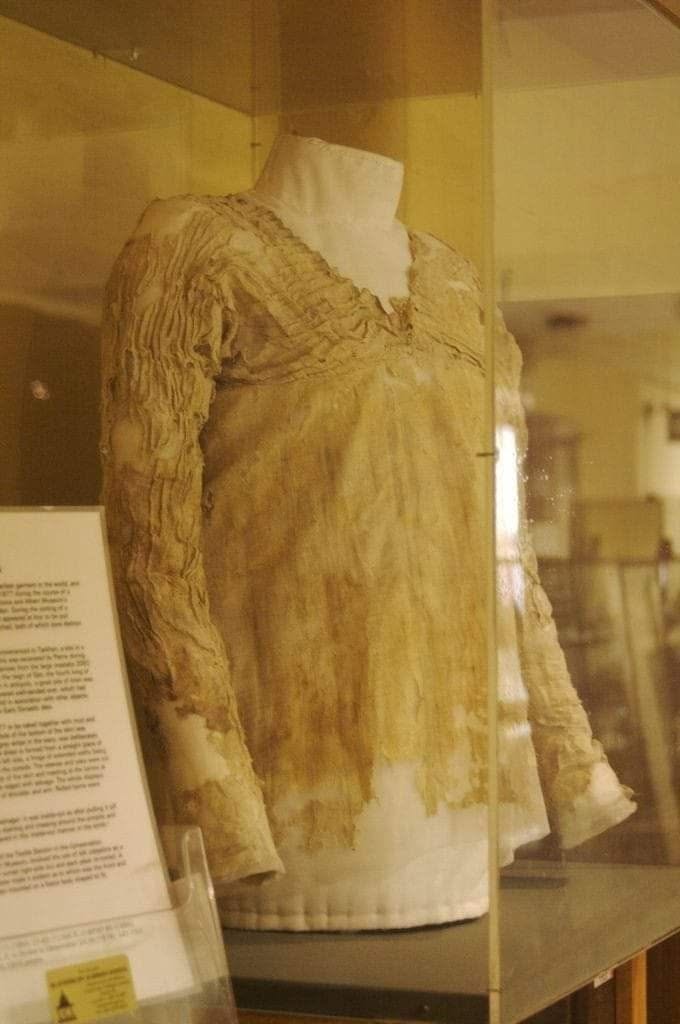
From a material and manufacturing perspective, the artifact is an exquisite example of early textile craftsmanship, meticulously fashioned from sturdy, hand-woven linen. The fabric features a fine thread count with a natural pale grey stripe woven into the warp, likely intended for a deliberate decorative effect. The garment is tailored rather than merely draped, boasting long sleeves, a stylish V-neckline, and meticulously hand-crafted knife pleats along both the bodice and the sleeves. Archaeological analysis of the tailoring reveals advanced sewing techniques, including carefully finished seams and structural shaping designed to fit a human body snugly. The lower hem is currently missing, which prevents a precise determination of its original total length, but its surviving dimensions indicate it was tailored to fit a slim young woman or a teenager.

Chronologically, advanced scientific testing has firmly anchored this textile deep into antiquity. Initial relative dating relied on the surrounding tomb pottery and ᴀssociated artifacts from Egypt’s First Dynasty. However, a breakthrough came when accelerator mᴀss spectrometry (AMS) radiocarbon dating was conducted by a research team at the University of Oxford using a minuscule sample of the linen fabric. The results established with a 95 percent probability that the garment was crafted between 3482 and 3102 BCE, positioning its creation well within the Predynastic period or at the very dawn of Egypt’s First Dynasty. This definitive dating makes it officially recognized as the oldest surviving woven and tailored garment in the entire world.
![서평] 품위 있고 매혹적인 고대 이집트 : 네이버 블로그](https://mblogthumb-phinf.pstatic.net/MjAyMDA1MjZfMjMx/MDAxNTkwNDg1MTIxMTEx.qrqLOCd5CTHMHQNuXnq_ACpFibWYh2d5mdoJYg1KE-kg.vaR6no4d0I1Q429adg-aXf9WaubrQxX1M7E5_BzaD6Ag.JPEG.storax/IMG_4223.JPG?type=w800)
The cultural and historical significance of the Tarkhan Dress extends far beyond its record-breaking age, offering profound insights into the social hierarchy and craft specialization of early complex societies. The presence of distinct creases at the elbows and under the armpits provides tangible, poignant evidence that the garment was actively worn in life rather than being manufactured exclusively as a shroud. Its sophisticated tailoring demonstrates that by the fourth millennium BCE, Egyptian artisans had mastered advanced textile technologies, reflecting a prosperous society capable of supporting specialized labor, aesthetic expression, and urban administrative organization prior to the unification of the pharaonic state.
The discovery and subsequent preservation of this historic textile involved notable figures in the history of archaeology. The artifact was originally unearthed in 1913 during the second season of excavations led by the renowned British Egyptologist Sir William Matthew Flinders Petrie. Initially overlooked amidst a large, jumbled bundle of excavated linen rags, the textile lay unrecognized in storage at University College London for over six decades. It was finally rediscovered in 1977 by textile conservation experts Sheila Landi and Rosalind Hall at the Victoria and Albert Museum’s Textile Conservation Workshop while they were systematically cleaning and sorting through Petrie’s finds. Today, the garment is safely housed and displayed in the collection of the UCL Petrie Museum of Egyptian Archaeology, serving as an enduring cornerstone of archaeological textile studies.
💔 STELLA PARTON BREAKS HER SILENCE — What She Said About Dolly’s Health Has Fans Looking Back
Dolly Parton’s Sister Breaks Silence What Really Happened - GMT - G1
Stella Parton was born May 4, 1949, the sixth of twelve children raised by Robert Lee and Avie Lee Parton in Sevierville, Tennessee — a household defined by noise, limited money, and almost no privacy, the kind of environment that produced strong, determined personalities.
Stella was one of them.
By seven, she was appearing alongside her older sister Dolly on a Knoxville television program; by her teens, she was writing her own songs, though marriage and motherhood pulled music to the margins of her life for a stretch.
The dream never fully disappeared.

In 1967, she recorded a gospel album with her mother and sisters, and later worked clubs in Washington, D.C., before founding her own record label in 1975 and releasing “I Want to Hold You in My Dreams Tonight,” which climbed to number nine on the country charts.
Long before any of that commercial success, Stella had already shown a willingness to take positions others avoided.
At 26, amid backlash against Australian singer Olivia Newton-John for winning recognition in country music, Stella recorded “Ode to Olivia” in her defense — a stand that offered her no career benefit and real risk of criticism, but one she took anyway simply because she believed staying silent was the wrong choice.
That instinct defined the rest of her career: hits like “The Danger of a Stranger” and “Steady as the Rain” (written by Dolly) built a genuine, independent following, including in the U.K., while Stella also worked in New York theater and spoke openly, often controversially, about poverty, domestic violence, and the treatment of women in the music industry.
She was named the Christian Country Music Association’s Female Vocalist of the Year in 2004.
Through all of it, she remained defined publicly, more often than not, as simply “Dolly’s little sister” — a label she spent five decades quietly proving didn’t tell the full story.
That same directness is why her comments in the fall of 2025 carried real weight.
Stella had never positioned herself as the family’s image manager or spokesperson; she was, by reputation, someone who believed difficult truths shouldn’t stay hidden indefinitely.
What she described wasn’t dramatic or accusatory — it was a portrait of a woman who had spent years prioritizing everyone else’s needs over her own.
The context mattered.
Carl Dean, Dolly’s husband of nearly sixty years, died in March 2025 at 82, after a long illness during which Dolly had devoted herself almost entirely to his care.
She later acknowledged that in the process, she’d neglected her own health significantly.
The loss reverberated through the whole extended family — the Partons had lost three brothers in the years surrounding this period, compounding grief that, for a family that had once crowded twelve children into a single small home, meant losing pieces of a shared childhood one after another.
Stella herself went seven years without releasing new music during this stretch, later describing the period simply as one shaped by sorrow, while still speaking about the importance of finding moments of laughter within it.
Looking back, one moment reads very differently in hindsight than it did at the time: in late September 2025, Dolly postponed her planned Las Vegas residency, citing health challenges — a rare cancellation for a performer whose six-decade career had included very few of them.
At the time, most fans treated it as a minor, temporary setback.
Stella’s later reflections suggested the signs had actually been building for some time, visible to family in ways the public smile made easy to miss.
That concern crystallized publicly not long after, when Dolly’s younger sister Frieda posted a simple request on Facebook asking fans to pray for Dolly.
What looked at first like an ordinary, well-meaning gesture spread rapidly, sparking widespread speculation about how serious Dolly’s condition actually was.
Dolly herself responded directly within days, appearing in a video from a Grand Ole Opry commercial shoot, insisting with her familiar humor that she wasn’t finished yet — the now widely remembered “I ain’t dead yet” moment that briefly quieted public concern.
In the months that followed, the pattern repeated: reassuring updates about kidney stones, dehydration, and treatment, paired with continued work on new projects, right up until Dolly Parton’s death on August 25, 2026, at 80.
Looking back across that full timeline — the postponed residency, the family’s public worry, Stella’s own account of a sister who consistently deprioritized her own wellbeing — it becomes easier to see what the people closest to Dolly understood well before the rest of the world did: that the warmth and resilience the public saw every time she appeared on camera came at a real, largely invisible cost.