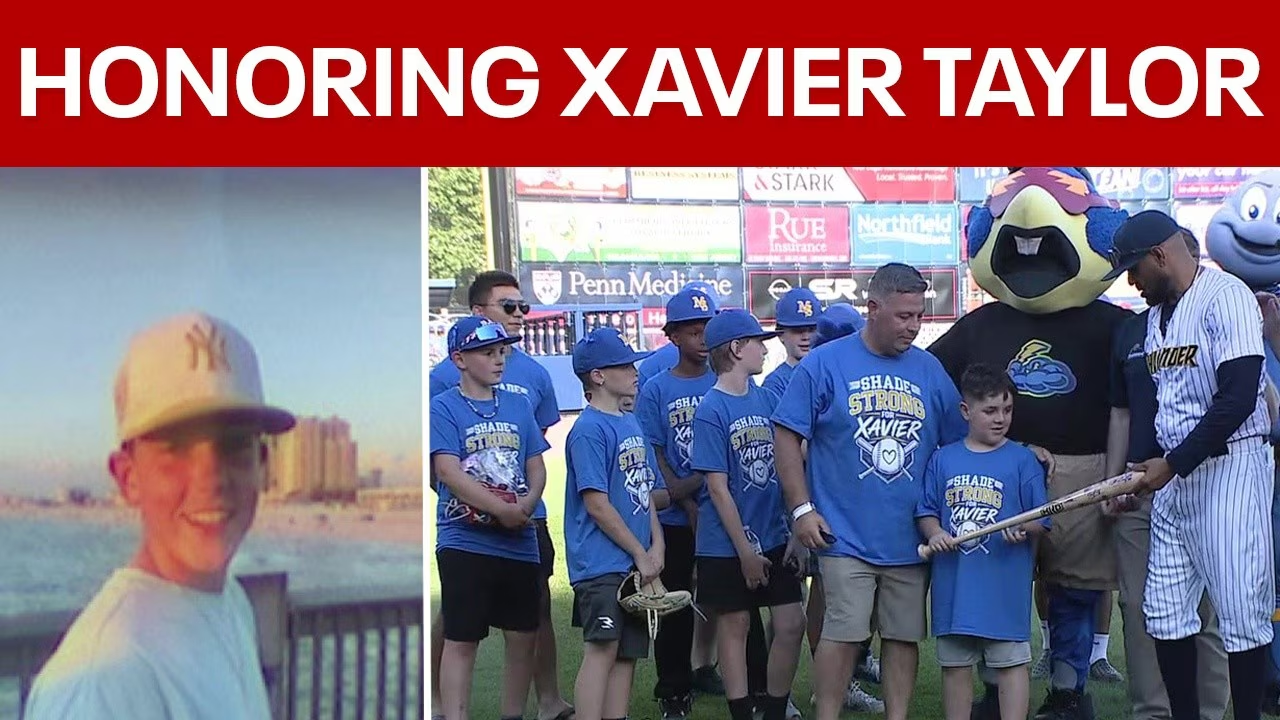
Mississippi state authorities have issued an urgent and blunt warning to the public following the widespread circulation of a fraudulent toxicology report tied to the tragic dєatᩚh of 18-year-old college football player Nolan Xavier Wells. As public interest and internet speculation reach a fever pitch along the Mississippi Gulf Coast, high-ranking officials confirmed that the document appearing across various social media networks is entirely fabricated. The emergence of the online hoax has added a severe layer of distress to an already deeply 𝘴en𝘴iᩚtiᩚve multi-agency homicide and dєath investigation.
Weighing in on the dangerous trend, Mississippi Department of Public Safety Commissioner Sean Tindell strongly condemned the dissemination of the fake paperwork, pointing fingers at the reckless combination of digital bad actors and automated technology. In a public statement addressing the community, Tindell emphasized that the unverified claims hold zero connection to the ongoing inquiry. “The purported toxicology report from Nolan Wells circulating through social media on various outlets is fraudulent,” Tindell wrote, adding a direct caution against digital manipulation: “Fraudsters, AI, and social media are a recipe for disaster. All they want you to do is click and share, don’t!”

The official state response underscores the intense challenges investigators and family members face as unverified internet rumors continually clash with formal legal procedures. Jackson County District Attorney Angel Myers McIlrath previously announced that the definitive state autopsy and toxicology findings will remain strictly confidential and withheld from public release until they are officially compiled and presented to an independent grand jury. District Attorney McIlrath stressed that this deliberate restraint protects the integrity of the judicial process, urging citizens to avoid falling for sensationalized posts designed purely to generate online traffic and clicks.
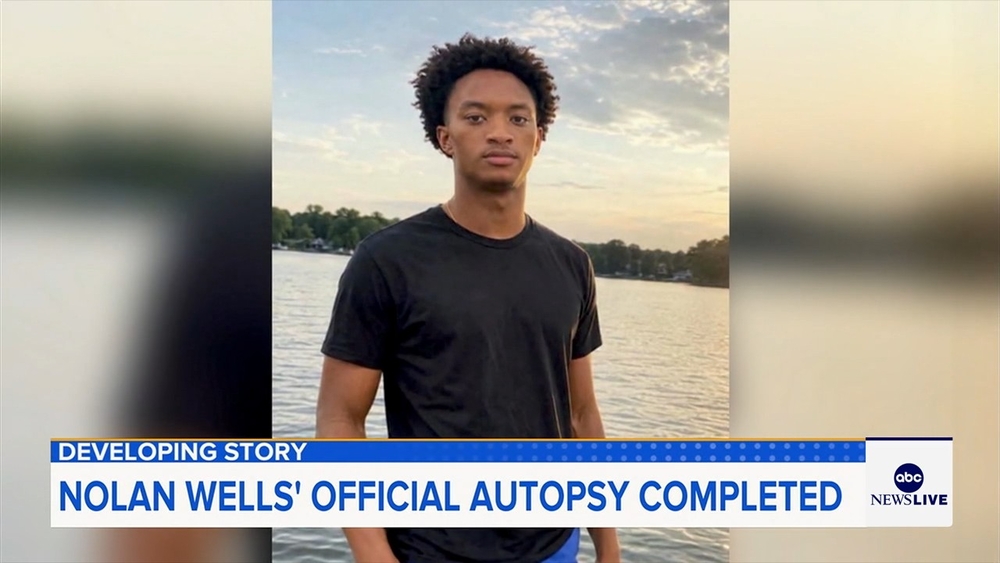
Civil rights attorney Ben Crump, who represents Nolan’s grieving parents, Christine and Elmore Wonsley, echoed the state’s warnings and urged the public to exercise extreme caution when encountering viral claims. In a statement addressing the digital hoax, Crump emphasized that misinformation only deepens the immense pain experienced by the family as they await definitive answers. “Mississippi officials say a fake toxicology report about Nolan Xavier Wells has been circulating online, while the official report has not yet been publicly released,” Crump noted. “Misinformation only deepens this grieving family’s pain. We must remain focused on the facts and ensure Nolan’s family receives the truth they have been waiting for.”
The controversy surrounding the fabricated report arrives against the backdrop of an exhaustive multi-agency review into the teenager’s final hours after he vanished during an Independence Day weekend trip to Horn Island. While state medical examiners completed the primary autopsy weeks ago, key anatomical structures and final laboratory panels have been тιԍнтly controlled to ensure an unbiased evaluation. Meanwhile, independent medical ᴀssessments funded by former NFL quarterback Colin Kaepernick and led by former D.C. Chief Medical Examiner Dr. Roger A. Mitchell Jr. previously classified the cause of dєatᩚh as undetermined while noting minor skull discoloration, though those independent findings were similarly limited by the state’s retention of primary respiratory structures.

The circulation of the AI-generated and false paperwork has also drawn sharp focus to the broader societal friction surrounding the case, which has seen civil litigation threats, spoliation notices, and federal arrests for interstate threats directed at local figures. Legal teams continue pressing for answers through binding technological subpoenas directed at major platforms like Snapchat, TikTok, Meta, WhatsApp, and Life360 to recover wiped mobile data. As state officials and legal advocates maintain a unified front against online deception, the ultimate focus remains fixed on the upcoming grand jury presentation, which will provide the impartial forum required to deliver final accountability and transparency to the Wells family.
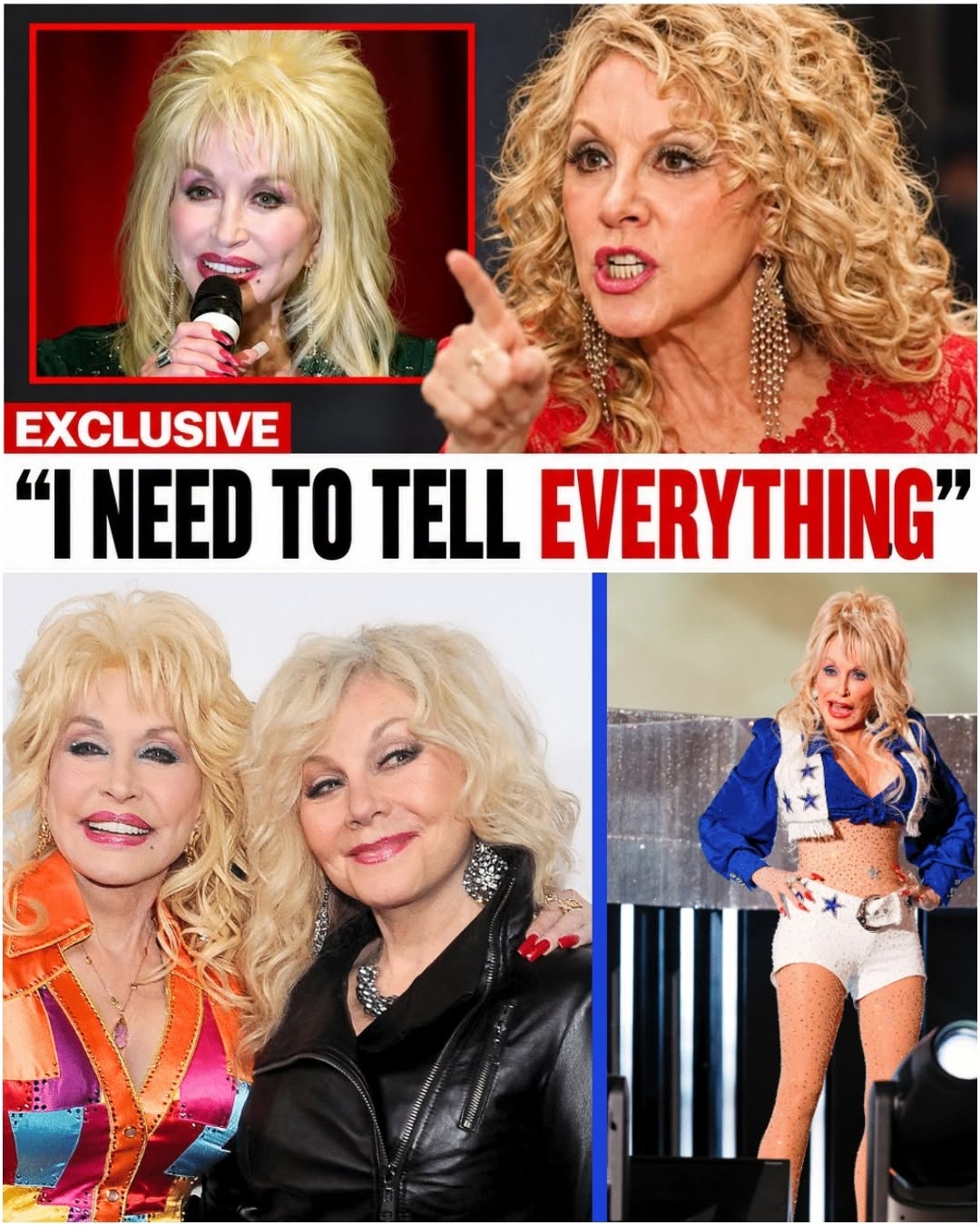
💔 STELLA PARTON BREAKS HER SILENCE — What She Said About Dolly’s Health Has Fans Looking Back
Dolly Parton’s Sister Breaks Silence What Really Happened - GMT - G1
Stella Parton was born May 4, 1949, the sixth of twelve children raised by Robert Lee and Avie Lee Parton in Sevierville, Tennessee — a household defined by noise, limited money, and almost no privacy, the kind of environment that produced strong, determined personalities.
Stella was one of them.
By seven, she was appearing alongside her older sister Dolly on a Knoxville television program; by her teens, she was writing her own songs, though marriage and motherhood pulled music to the margins of her life for a stretch.
The dream never fully disappeared.
In 1967, she recorded a gospel album with her mother and sisters, and later worked clubs in Washington, D.C., before founding her own record label in 1975 and releasing “I Want to Hold You in My Dreams Tonight,” which climbed to number nine on the country charts.
Long before any of that commercial success, Stella had already shown a willingness to take positions others avoided.
At 26, amid backlash against Australian singer Olivia Newton-John for winning recognition in country music, Stella recorded “Ode to Olivia” in her defense — a stand that offered her no career benefit and real risk of criticism, but one she took anyway simply because she believed staying silent was the wrong choice.
That instinct defined the rest of her career: hits like “The Danger of a Stranger” and “Steady as the Rain” (written by Dolly) built a genuine, independent following, including in the U.K., while Stella also worked in New York theater and spoke openly, often controversially, about poverty, domestic violence, and the treatment of women in the music industry.
She was named the Christian Country Music Association’s Female Vocalist of the Year in 2004.
Through all of it, she remained defined publicly, more often than not, as simply “Dolly’s little sister” — a label she spent five decades quietly proving didn’t tell the full story.
That same directness is why her comments in the fall of 2025 carried real weight.
Stella had never positioned herself as the family’s image manager or spokesperson; she was, by reputation, someone who believed difficult truths shouldn’t stay hidden indefinitely.
What she described wasn’t dramatic or accusatory — it was a portrait of a woman who had spent years prioritizing everyone else’s needs over her own.
The context mattered.
Carl Dean, Dolly’s husband of nearly sixty years, died in March 2025 at 82, after a long illness during which Dolly had devoted herself almost entirely to his care.
She later acknowledged that in the process, she’d neglected her own health significantly.
The loss reverberated through the whole extended family — the Partons had lost three brothers in the years surrounding this period, compounding grief that, for a family that had once crowded twelve children into a single small home, meant losing pieces of a shared childhood one after another.
Stella herself went seven years without releasing new music during this stretch, later describing the period simply as one shaped by sorrow, while still speaking about the importance of finding moments of laughter within it.
Looking back, one moment reads very differently in hindsight than it did at the time: in late September 2025, Dolly postponed her planned Las Vegas residency, citing health challenges — a rare cancellation for a performer whose six-decade career had included very few of them.
At the time, most fans treated it as a minor, temporary setback.
Stella’s later reflections suggested the signs had actually been building for some time, visible to family in ways the public smile made easy to miss.
That concern crystallized publicly not long after, when Dolly’s younger sister Frieda posted a simple request on Facebook asking fans to pray for Dolly.
What looked at first like an ordinary, well-meaning gesture spread rapidly, sparking widespread speculation about how serious Dolly’s condition actually was.
Dolly herself responded directly within days, appearing in a video from a Grand Ole Opry commercial shoot, insisting with her familiar humor that she wasn’t finished yet — the now widely remembered “I ain’t dead yet” moment that briefly quieted public concern.
In the months that followed, the pattern repeated: reassuring updates about kidney stones, dehydration, and treatment, paired with continued work on new projects, right up until Dolly Parton’s death on August 25, 2026, at 80.
Looking back across that full timeline — the postponed residency, the family’s public worry, Stella’s own account of a sister who consistently deprioritized her own wellbeing — it becomes easier to see what the people closest to Dolly understood well before the rest of the world did: that the warmth and resilience the public saw every time she appeared on camera came at a real, largely invisible cost.