Yesterday NBC Boston first reported about the holdout juror in the Lindsay Clancy trial having a previous domestic violence arrest, an active restraining order for ᴀssaulting a minor, and a current eviction that he is avoiding.
This juror has been hailed as a hero and a patriot to those who believed Clancy should’ve been found guilty of first degree murder in the deaths of her 3 children, because he refused to change his vote to not guilty by reason of insanity, and in doing so caused a mistrial.
But according to at least five jurors the holdout juror believed there was reasonable doubt but would not change his vote to NGRI, he refused to deliberate, and was even playing on his phone in the jury room.
It was also revealed by juror Paula Devlin during an interview with Gayle King on CBS This Morning, that the holdout juror was the only black member of the jury.
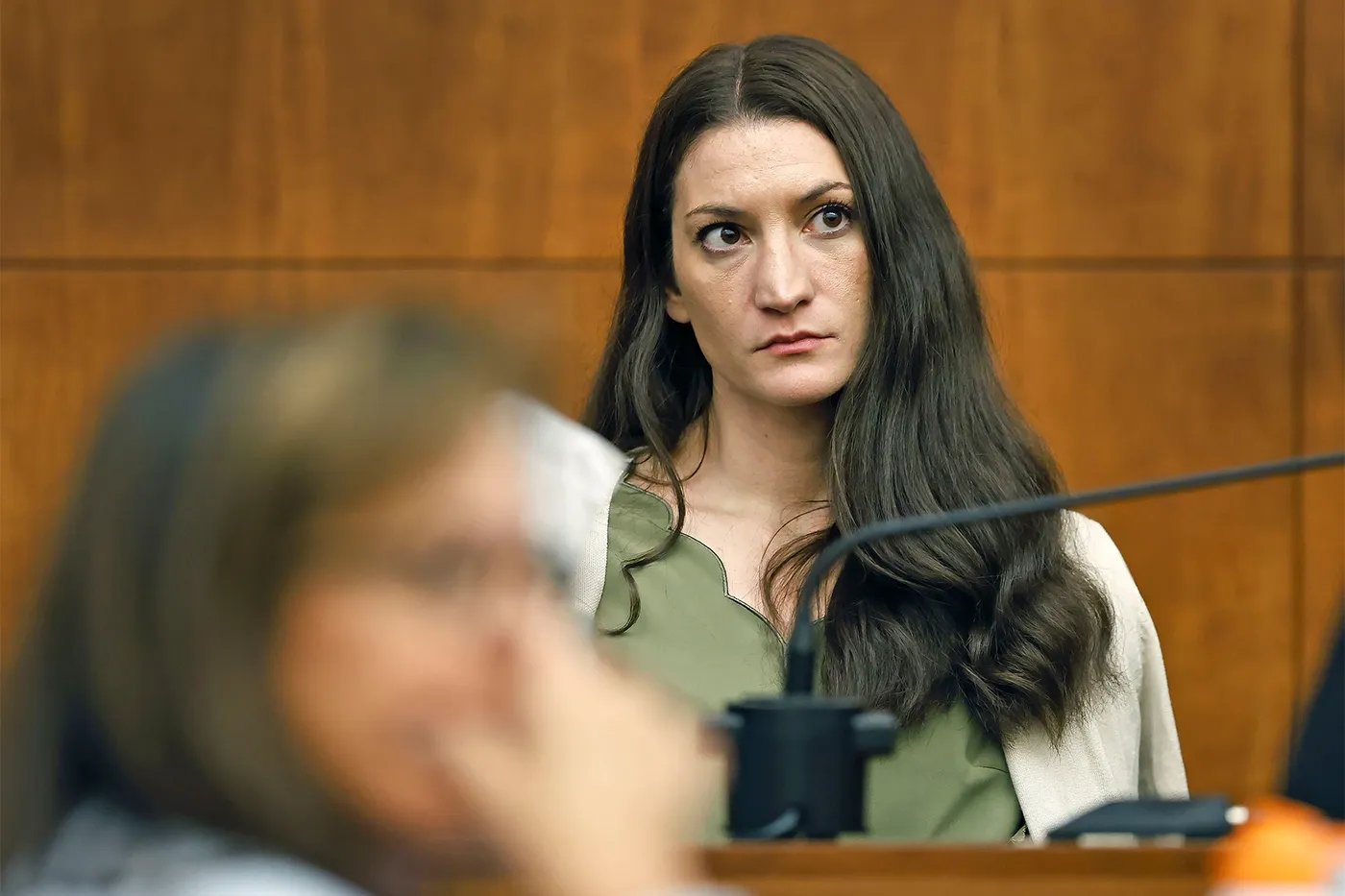
Since NBC Boston chose to report this news there has been tremendous backlash on social media, primarily from those who believe Clancy should’ve been convicted of first degree murder.
They allege that NBC is only doing this in order to smear the juror in retaliation for not voting NGRI.
Although there is no official party position on the Clancy verdict, it’s impossible to ignore that conservative influencers on social media and television almost unanimously believe that this juror is a hero, and have baselessly accused all Clancy supporters of being liberals.
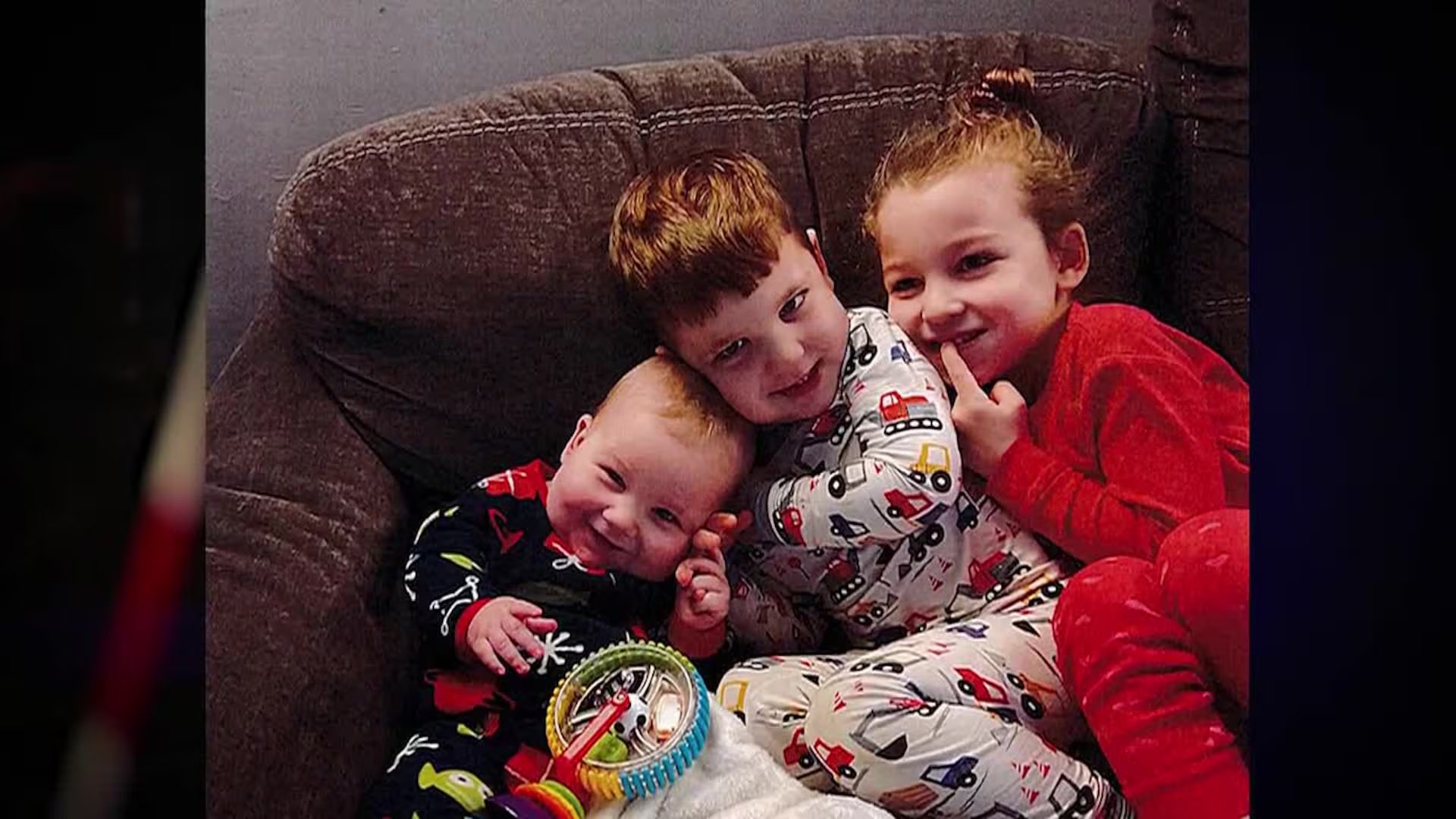
However, this is a First Amendment issue above all else.
American citizens, including those who work for media companies, have the right to report on news that they become aware of.
This is the most high profile trial in the world, and this one juror single-handedly caused a mistrial.
On the juror questionnaire all jurors are asked if they have ever been arrested, charged with a crime, or served with a court order.
All of these boxes should’ve been checked by the juror, and according to NBC legal analyst Michael Coyne, it would almost certainly have gotten the prosecution or the defense to keep the man off the jury.
“I don’t see how they would’ve allowed him to be a member of this jury,” NBC10 Boston’s chief legal analyst Michael Coyne said.
“I don’t see how, if those questions had been answered correctly, one side or the other would’ve taken the chance with allowing him to be seated,” Coyne said.
It is not illegal for anyone to report factual information about a juror in a high profile case, especially if it raises concerns about if this juror lied before getting on the jury.
However, it is illegal to lie on a juror form.
And the fact of the matter is that this man single handedly made himself one of the most talked about people in the world, so the fact that he sat on this jury after previously having been charged with choking a woman and ᴀssaulting his underage nephew, is newsworthy.
Another juror named Kellie Farina also has been previously charged with ᴀssault and battery.
Her charge was out of Plymouth District Court in 2002, more than 19 years before the other juror was charged, and was dismissed 8 days after she was arraigned.
There is no police report available on MᴀssCourts.org.
However, Farina did not have an active restraining order for ᴀssaulting a minor while serving on the jury, and was not in active eviction for non-payment of rent.
She also has not been accused of refusing to deliberate by anyone.
A GiveSendGo has been created for the unnamed juror and has already raised $25K.
NBC chose not to publish the juror’s name, but according to Twitter user @TalkinStros, the juror’s name is Michael P. Desronvil.
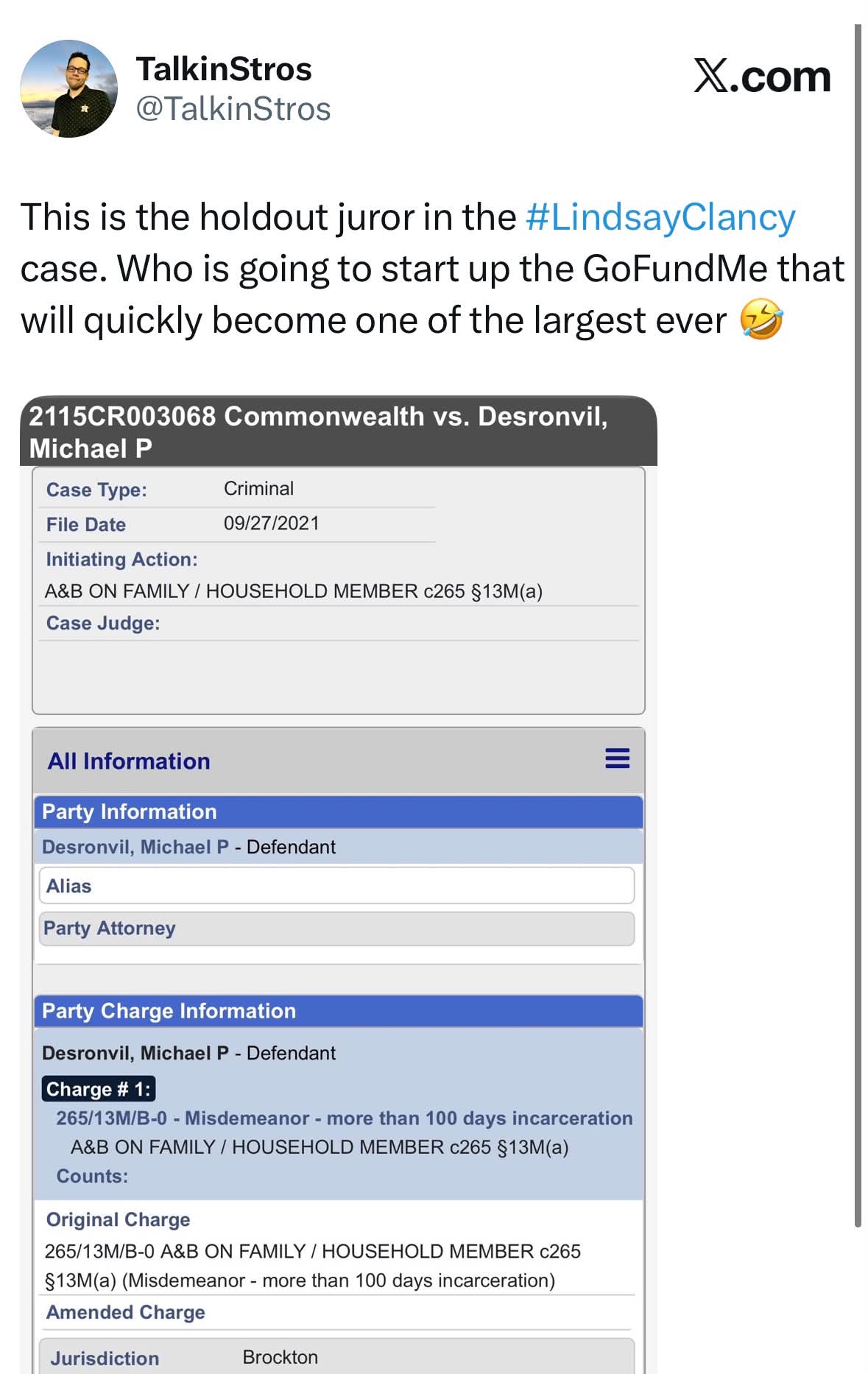
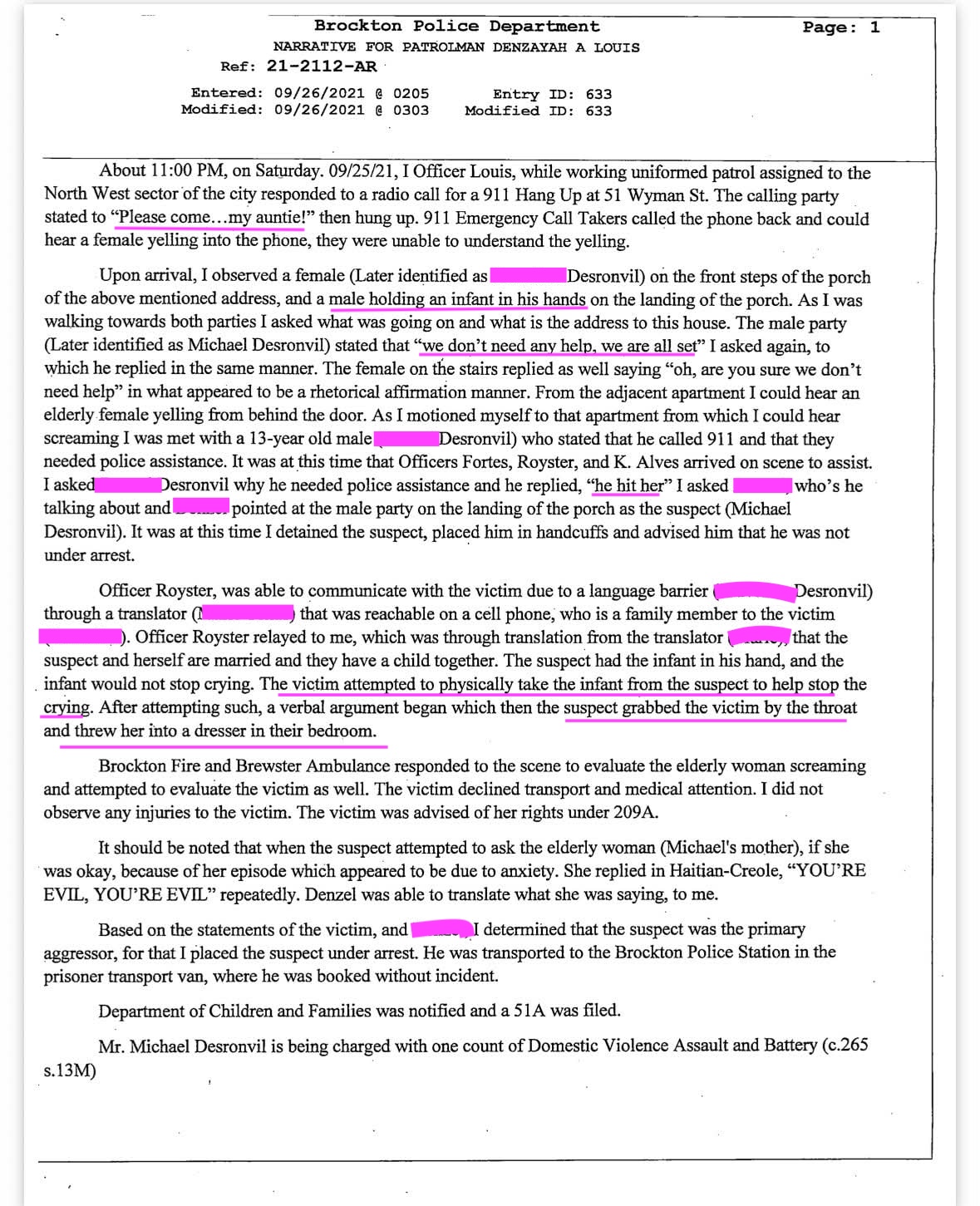
On September 25, 2021, Desronvil’s 13 year old nephew called the Brockton Police and said “please come….my auntie,” before hanging up.
When police arrived they found Desronvil and his wife on the front steps of the porch, with Desronvil holding his 6 month old baby.
Desronvil tried to tell police that they didn’t need any help in an attempt to get them to leave, but the 13 year old nephew told police that he witnessed Desronvil hit his wife after the woman attempted to take her crying daughter from him in order to comfort her, at which point he ᴀssaulted her by grabbing his wife by the neck and throwing her into a bedroom dresser.
Desronvil’s mother yelled “YOU’RE EVIL” twice at her son before he was taken away by police.
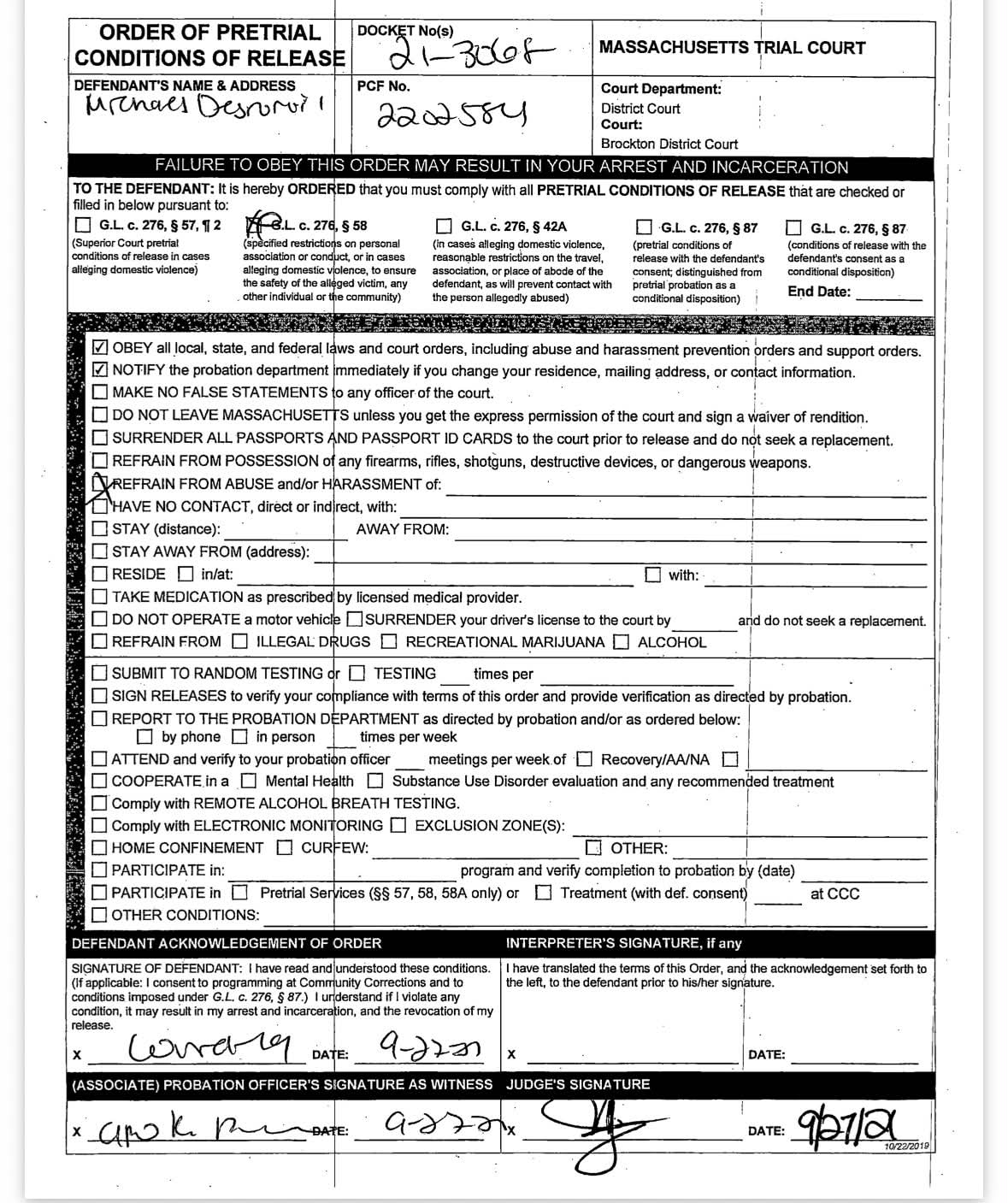
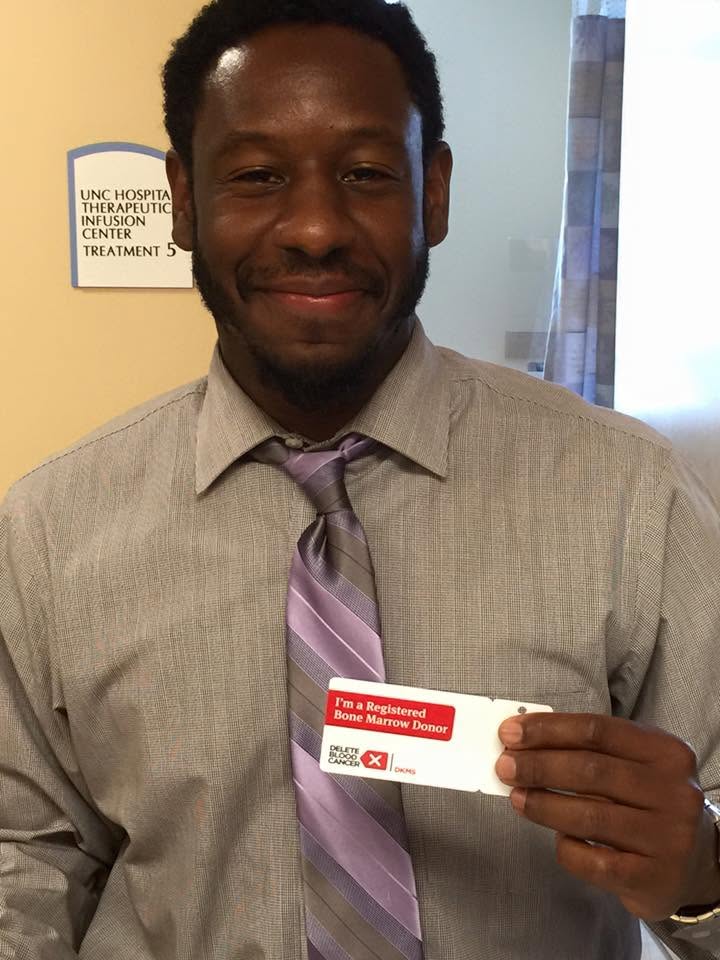
The charges were dropped several months later, but the ex-wife spoke with NBC10 Boston and said that the charges were only dropped because she was worried about losing custody of her daughter if she testified.
This is not uncommon in domestic violence situations.
In 2019 we published a story about a domestic violence victim named Samantha Cardin, who was ᴀssaulted by Rian Waters, the father of her autistic daughter, who struck her in the face and killed her dog while their child was present.
Waters was arrested and charged, but Cardin refused to testify and dropped the charges when Waters threatened to report false allegations about her to DCF, which caused her to fear she would lose custody of her daughter.
It’s unclear if Desronvil made similar threats, but they were going through a divorce during that time, and custody of their daughter was a major issue.
Desronvil is a Haitian immigrant who moved here when he was 5.
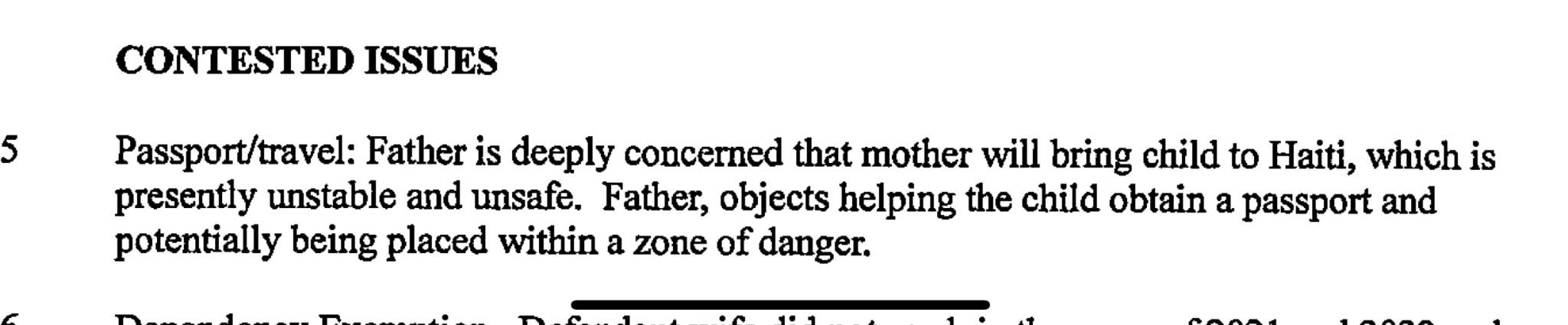
According to probate court documents Desronvil did not want his ex-wife to be able to obtain a pᴀssport for their daughter, because he feared she would leave with the baby to go to Haiti.
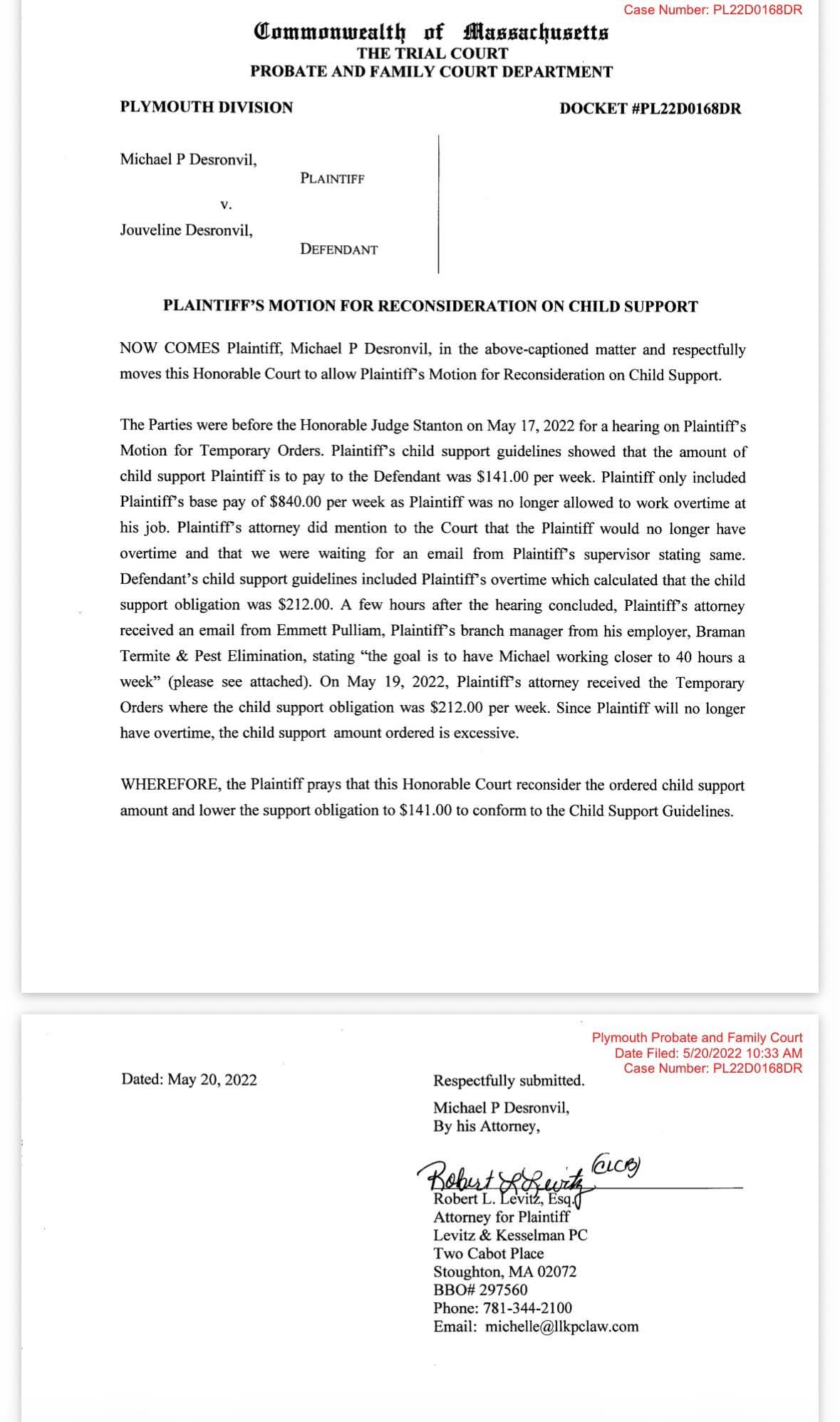
Desronvil was ordered to pay $212 a week in child support, but filed a motion to reduce the payments to $141 per week, claiming that he could only work 15 hours per week.
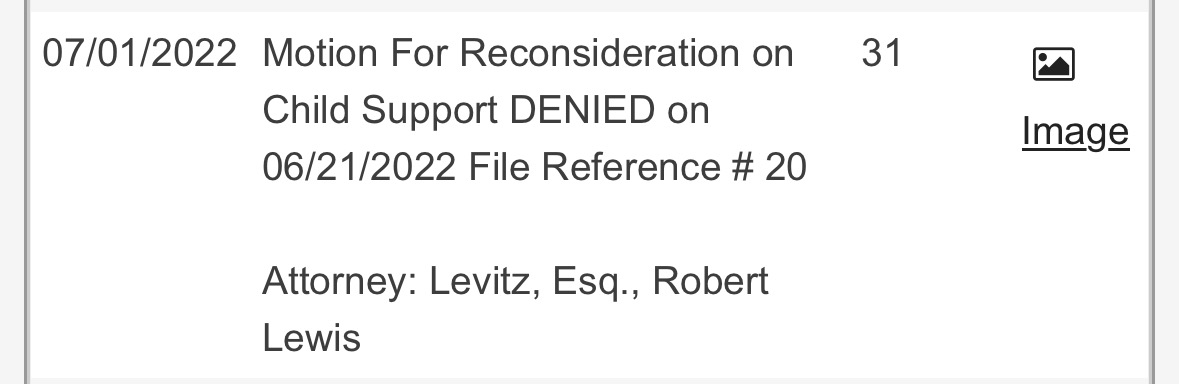
This motion was denied.
More disturbingly, the nephew, who is now a student at Brockton High School and made headlines in 2023 by bringing “culturally relevant food” to the BPS, obtained a restraining order on his uncle after Desronvil pushed him to the ground and repeatedly punched him in the face:
Last year, that same teenage nephew referenced in the 2021 incident took out a restraining order after he said the juror pushed him to the ground and repeatedly punched him in the face.
The teen wrote in his affidavit that his uncle then said, “You ruined my (expletive) life,” for calling the police and added, “You’ve had this coming your way for a long time.”
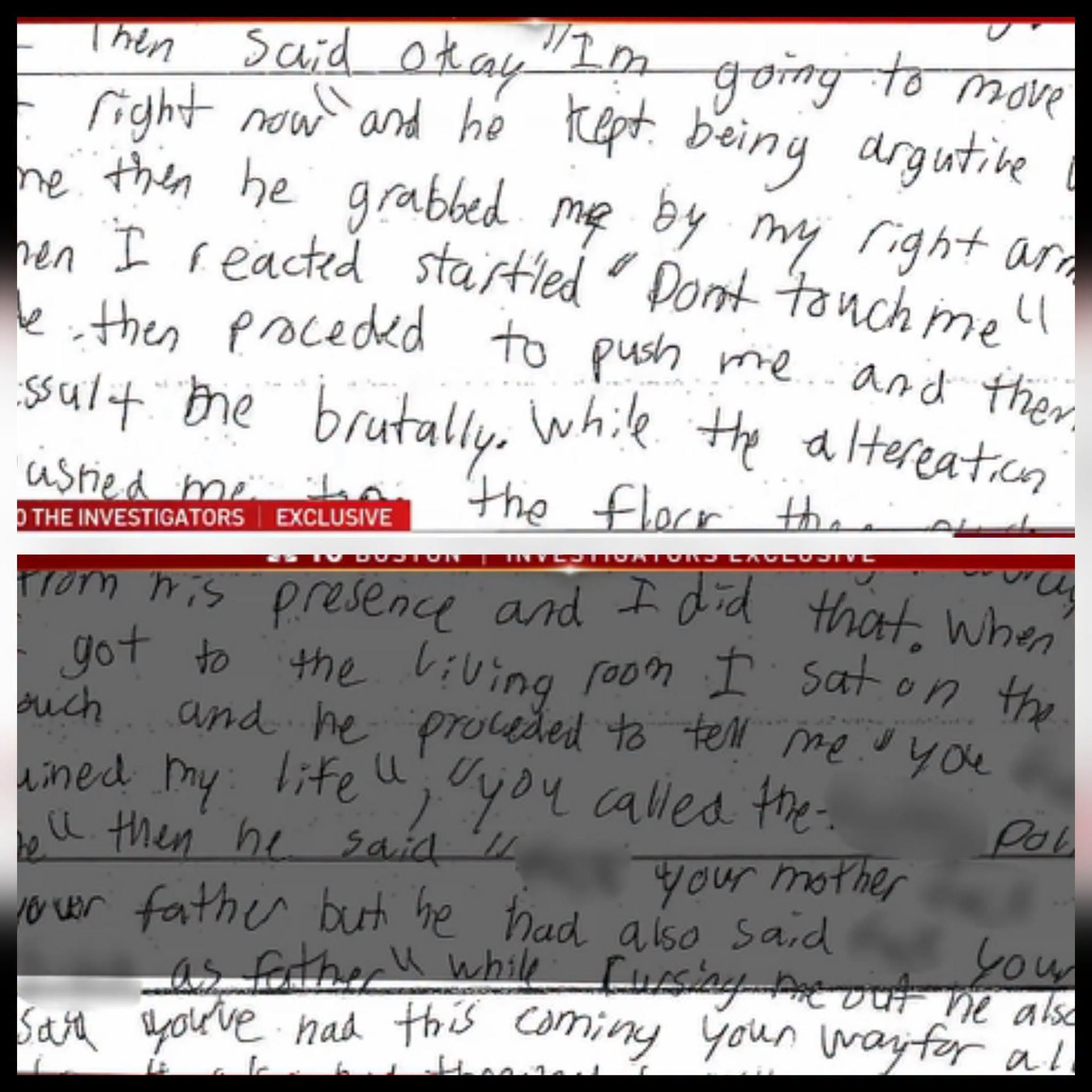
A judge ruled that the teenager had met all the elements for a restraining order, since he was in legitimate fear of physical violence.
This could also have been a charge of witness intimidation, since Desronvil allegedly ᴀssaulted the minor specifically because of testimony he gave to the police, which Desronvil blamed for ruining his life.
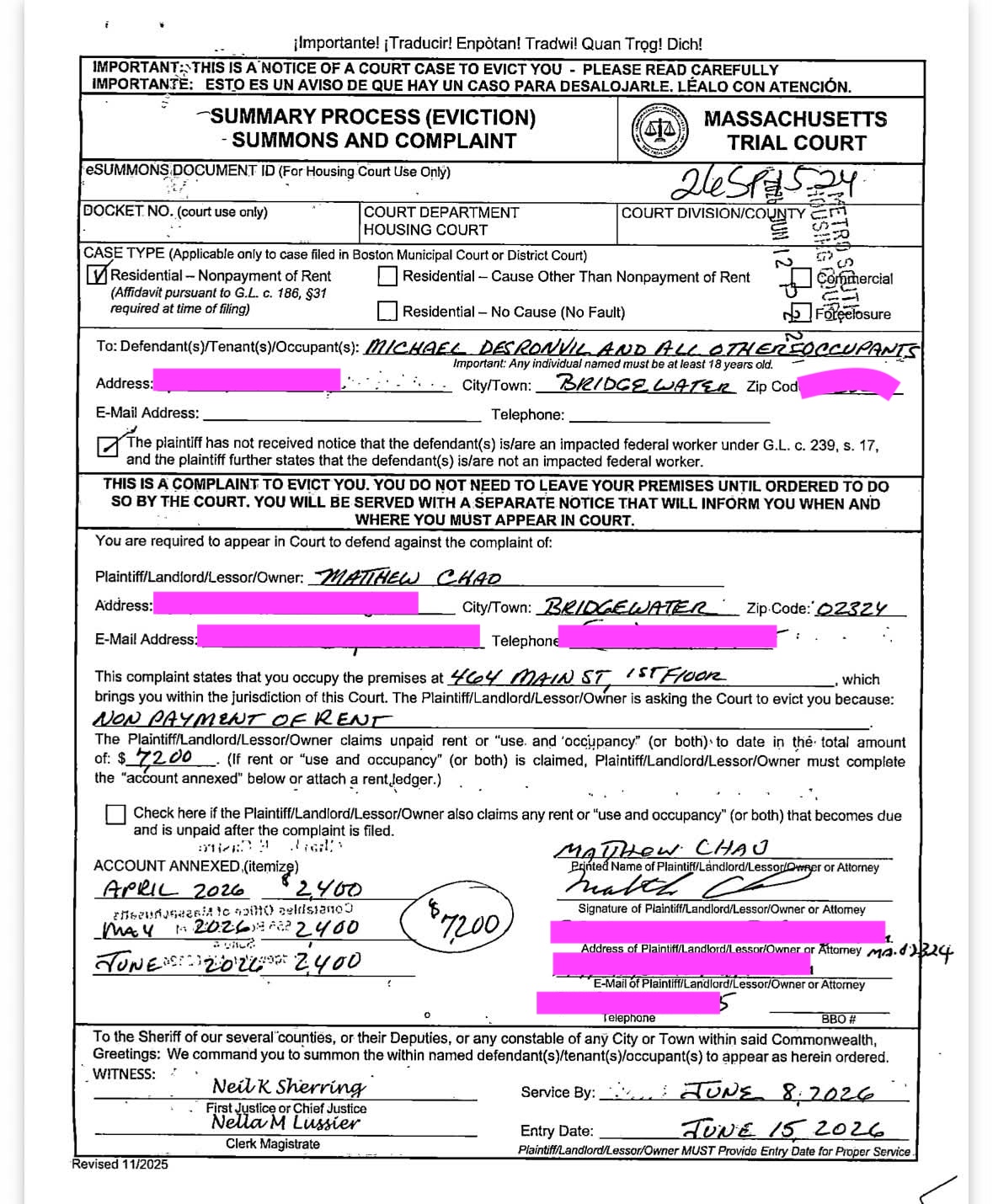
Additionally, Desronvil has not paid his landlord Matthew Chao rent for his Bridgewater apartment for April, May, June, July, or August, and defaulted for a September 3 court date (while he was allegedly sitting in a room refusing to deliberate), and was ordered to pay $12,644.22 in overdue rent for the apartment he is squatting in.
Desronvil appears to come from a good family.
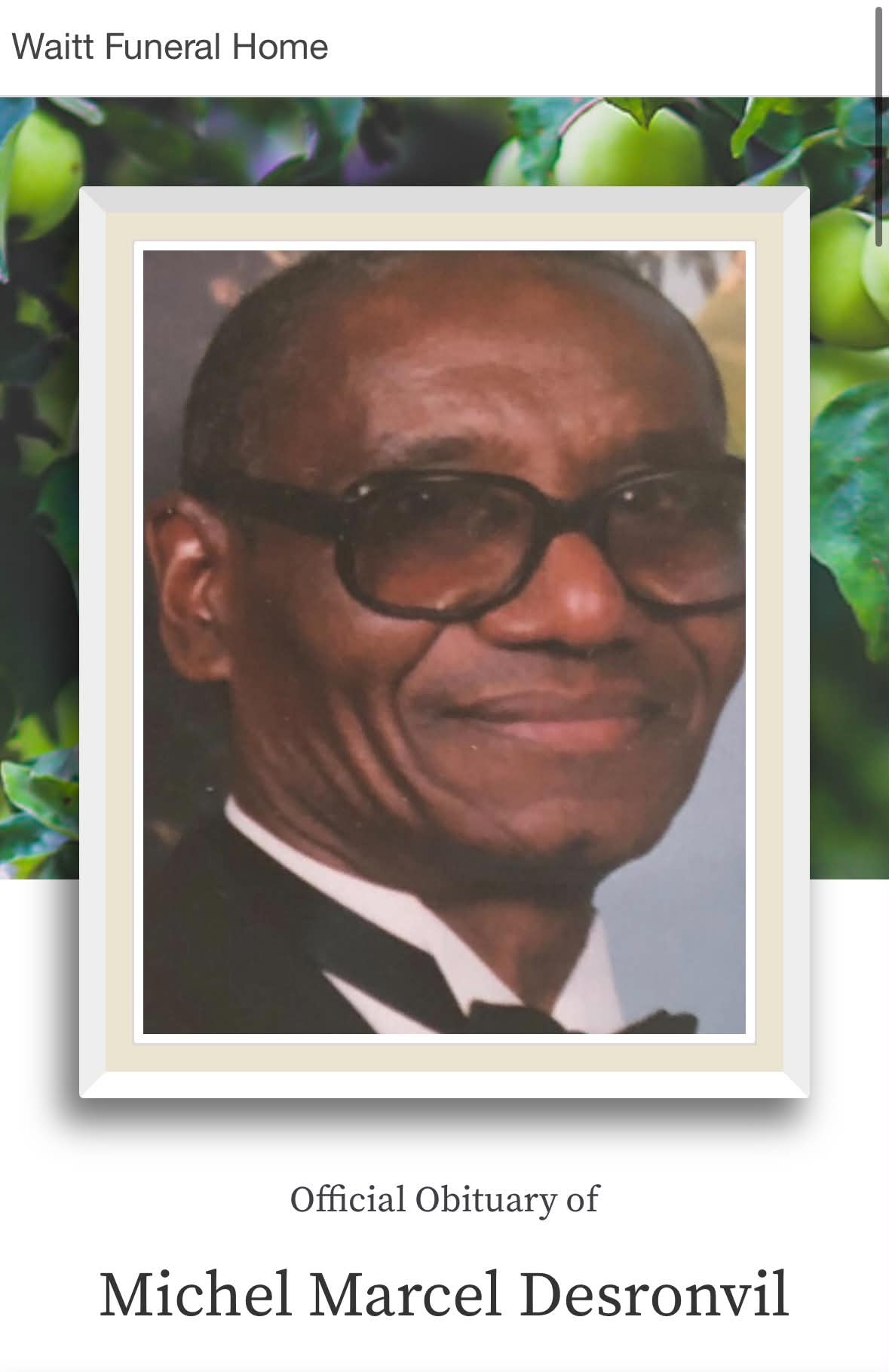
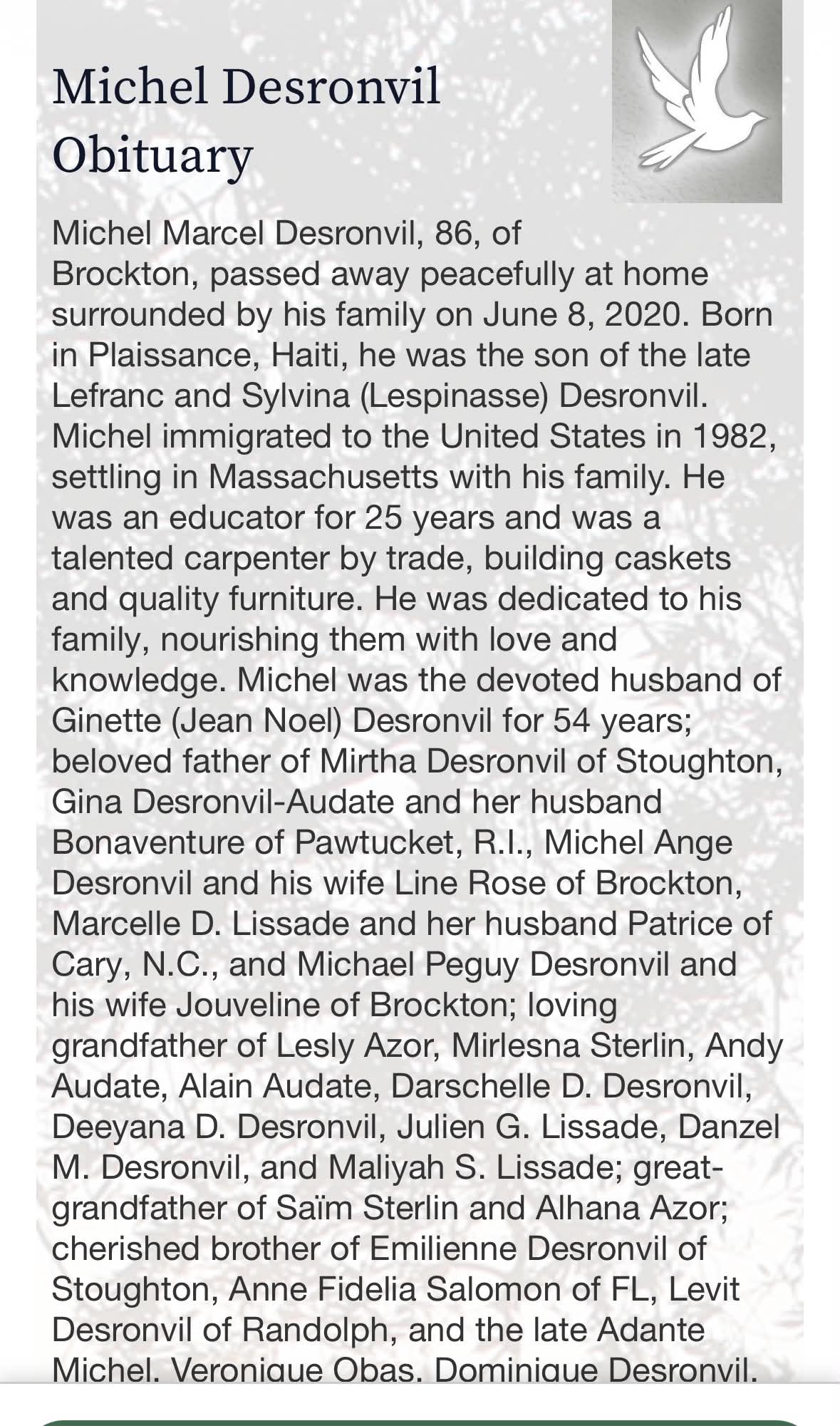
His father Michel was a hard working Haitian immigrant who came to this country, worked hard as a carpenter, and provided a life for his 5 children.
According to the NBC Boston story, family members they spoke with say that he is estranged since he ᴀssaulted his nephew, and is described as a “narcissist.”
None of them knew he was even serving on the jury, but told reporters that they believe he never should’ve been put on the jury in the first place.
We will keep you posted on this story as more information develops.
💔 STELLA PARTON BREAKS HER SILENCE — What She Said About Dolly’s Health Has Fans Looking Back
Dolly Parton’s Sister Breaks Silence What Really Happened - GMT - G1
Stella Parton was born May 4, 1949, the sixth of twelve children raised by Robert Lee and Avie Lee Parton in Sevierville, Tennessee — a household defined by noise, limited money, and almost no privacy, the kind of environment that produced strong, determined personalities.
Stella was one of them.
By seven, she was appearing alongside her older sister Dolly on a Knoxville television program; by her teens, she was writing her own songs, though marriage and motherhood pulled music to the margins of her life for a stretch.
The dream never fully disappeared.

In 1967, she recorded a gospel album with her mother and sisters, and later worked clubs in Washington, D.C., before founding her own record label in 1975 and releasing “I Want to Hold You in My Dreams Tonight,” which climbed to number nine on the country charts.
Long before any of that commercial success, Stella had already shown a willingness to take positions others avoided.
At 26, amid backlash against Australian singer Olivia Newton-John for winning recognition in country music, Stella recorded “Ode to Olivia” in her defense — a stand that offered her no career benefit and real risk of criticism, but one she took anyway simply because she believed staying silent was the wrong choice.
That instinct defined the rest of her career: hits like “The Danger of a Stranger” and “Steady as the Rain” (written by Dolly) built a genuine, independent following, including in the U.K., while Stella also worked in New York theater and spoke openly, often controversially, about poverty, domestic violence, and the treatment of women in the music industry.
She was named the Christian Country Music Association’s Female Vocalist of the Year in 2004.
Through all of it, she remained defined publicly, more often than not, as simply “Dolly’s little sister” — a label she spent five decades quietly proving didn’t tell the full story.
That same directness is why her comments in the fall of 2025 carried real weight.
Stella had never positioned herself as the family’s image manager or spokesperson; she was, by reputation, someone who believed difficult truths shouldn’t stay hidden indefinitely.
What she described wasn’t dramatic or accusatory — it was a portrait of a woman who had spent years prioritizing everyone else’s needs over her own.
The context mattered.
Carl Dean, Dolly’s husband of nearly sixty years, died in March 2025 at 82, after a long illness during which Dolly had devoted herself almost entirely to his care.
She later acknowledged that in the process, she’d neglected her own health significantly.
The loss reverberated through the whole extended family — the Partons had lost three brothers in the years surrounding this period, compounding grief that, for a family that had once crowded twelve children into a single small home, meant losing pieces of a shared childhood one after another.
Stella herself went seven years without releasing new music during this stretch, later describing the period simply as one shaped by sorrow, while still speaking about the importance of finding moments of laughter within it.
Looking back, one moment reads very differently in hindsight than it did at the time: in late September 2025, Dolly postponed her planned Las Vegas residency, citing health challenges — a rare cancellation for a performer whose six-decade career had included very few of them.
At the time, most fans treated it as a minor, temporary setback.
Stella’s later reflections suggested the signs had actually been building for some time, visible to family in ways the public smile made easy to miss.
That concern crystallized publicly not long after, when Dolly’s younger sister Frieda posted a simple request on Facebook asking fans to pray for Dolly.
What looked at first like an ordinary, well-meaning gesture spread rapidly, sparking widespread speculation about how serious Dolly’s condition actually was.
Dolly herself responded directly within days, appearing in a video from a Grand Ole Opry commercial shoot, insisting with her familiar humor that she wasn’t finished yet — the now widely remembered “I ain’t dead yet” moment that briefly quieted public concern.
In the months that followed, the pattern repeated: reassuring updates about kidney stones, dehydration, and treatment, paired with continued work on new projects, right up until Dolly Parton’s death on August 25, 2026, at 80.
Looking back across that full timeline — the postponed residency, the family’s public worry, Stella’s own account of a sister who consistently deprioritized her own wellbeing — it becomes easier to see what the people closest to Dolly understood well before the rest of the world did: that the warmth and resilience the public saw every time she appeared on camera came at a real, largely invisible cost.