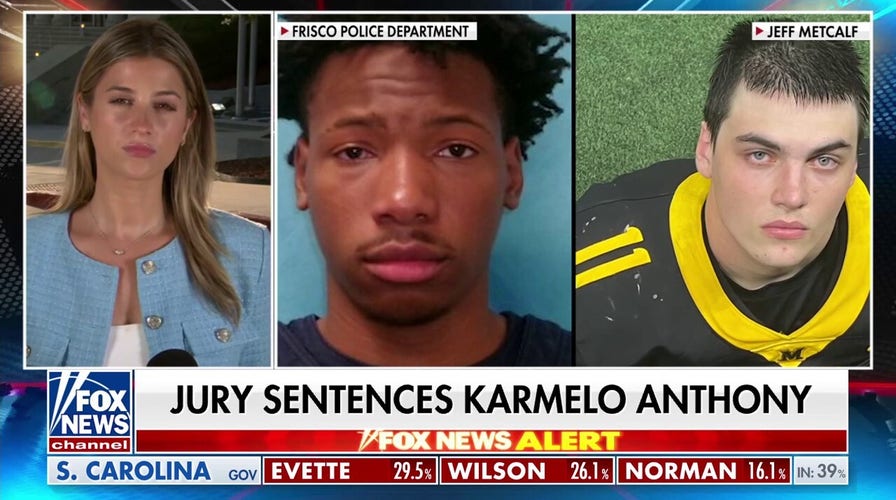
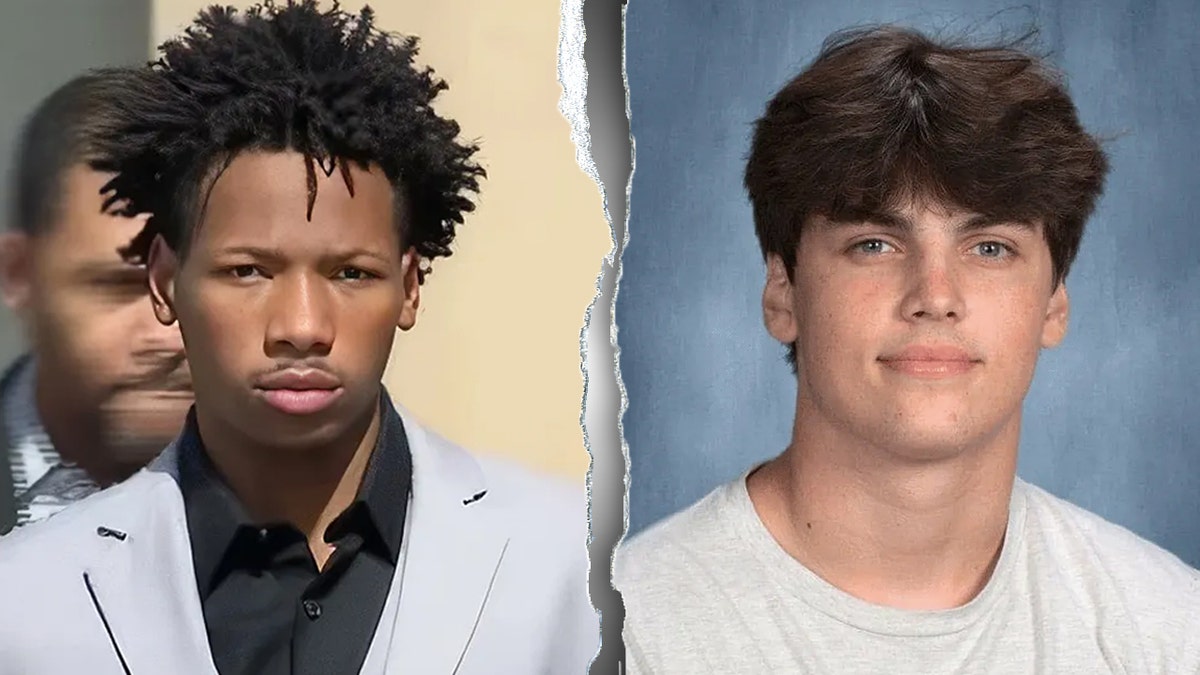
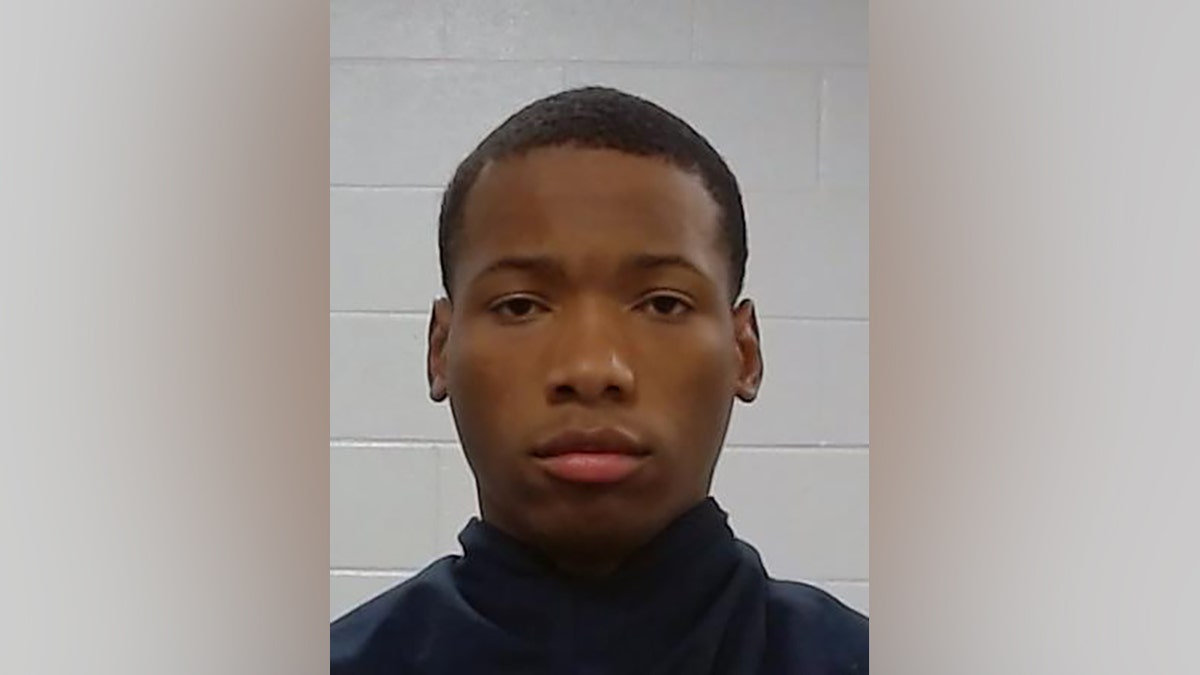
A Collin County jury has sentenced Karmelo Anthony to 35 years in prison after he was found guilty of murder in the fatal stabbing of 17-year-old Memorial High School student Austin Metcalf during a high school track meet in Frisco, Texas.
Anthony faced up to life in prison after being convicted of murder. He will be eligible for parole after serving half that time.
He broke down in tears and was shaking as the verdict was read Tuesday afternoon, and he was immediately taken into custody.
Following Anthony’s sentencing, the court heard from Metcalf’s loved ones who had prepared victim impact statements. Metcalf’s father, Jeff, screamed at Anthony – court officers approached him but allowed him to finish.
“We were robbed,” he yelled at Anthony, telling him not to look down.
“The public response sickens me, especially when a gag order doesn’t allow me to defend my son,” Metcalf said. “This was never about race or politics, but what you did was to choose to make it about both. We all bleed the same color. You are free to make choices all of your life, but are not free to not face consequences. They weren’t bullies and they weren’t racists.”
“You failed your parents you failed yourself and you failed society,” he added. “You don’t belong.”
“I forgive you, but I do not forgive what you did. You can’t even look me in the eye, but you can stab my son in the f—— heart,” he said before staring at Anthony as he walked back to his seat.
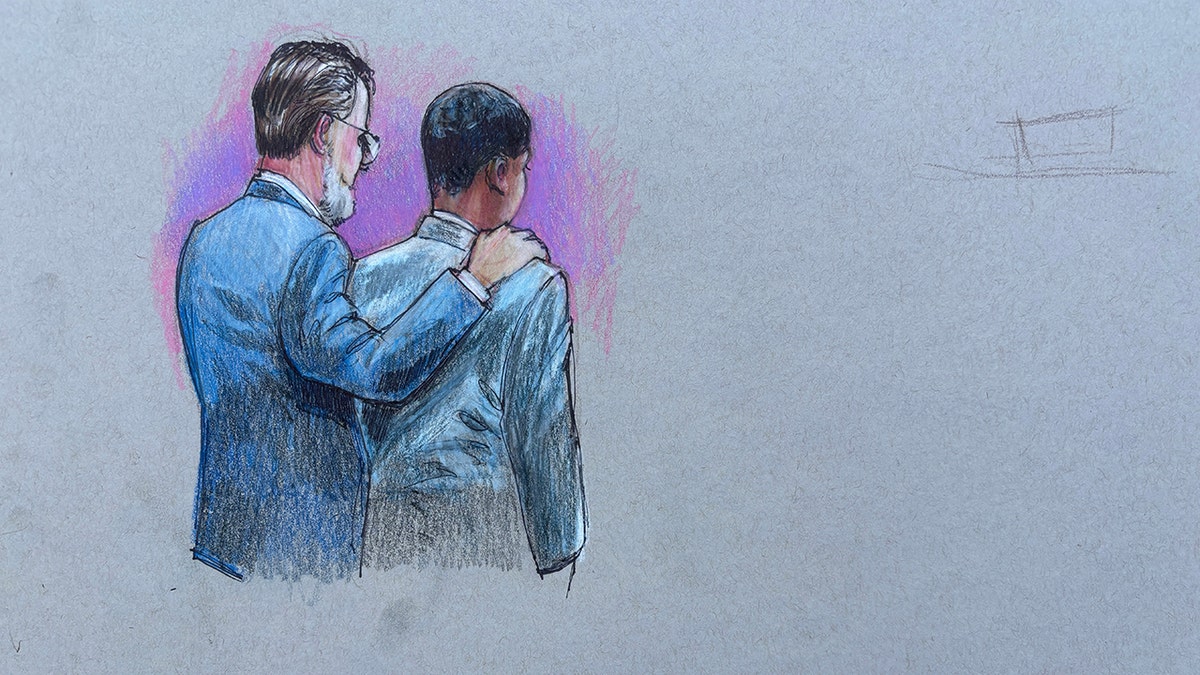
Hunter Metcalf, Austin’s twin brother, was in the courtroom for the first time and read a victim impact statement.
“I just want some respect if you could look me in the eye,” he said to Anthony, who looked up at him.
“I want you to realize how much pain you caused me and my family,” he said. “You let the devil take over you in the moment.”
“Now I want everything taken from you,” he said, according to FOX 4. “You took everything from me. I wake up every morning and his door is still shut.”
A montage of pictures of Austin and Hunter growing up played on the screen. Austin’s mother, Megan, said all she has left of Austin is videos.
She described how she packed her son a snack before the track meet and sent him off, not realizing it would be the last time she ever saw him, according to FOX 4.
“You may have been sentenced to 35 years behind bars. You should feel lucky,” she told Anthony. “I’ve been sentenced to a lifetime without my son.”
Anthony’s parents were not in the room for the sentencing or victim statements. Before he was sentenced, his mother pleaded for mercy.
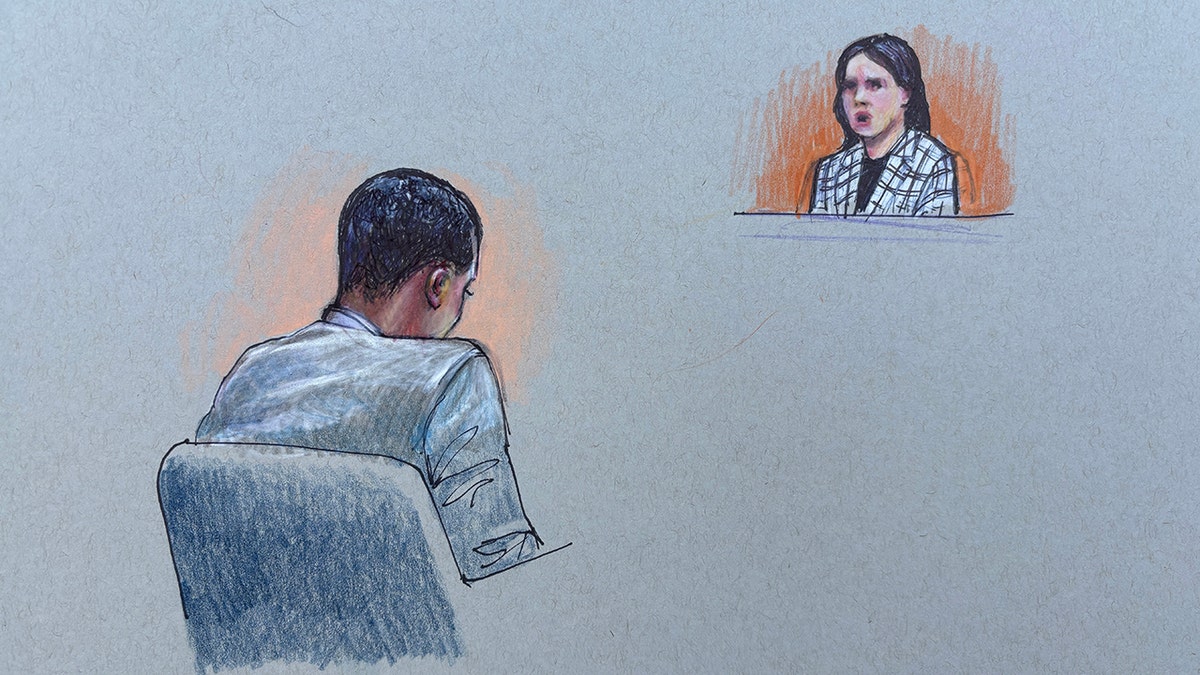
“Please have mercy on my son,” Kayla Hays said as mascara stains could be seen streaking her tear-soaked cheeks.
“He’s my oldest, my first born, my baby, I love him very much,” she said.
When asked by Anthony’s defense team if her son regretted his actions, Hays replied, “Yes, he’s very sorry for what he did.”
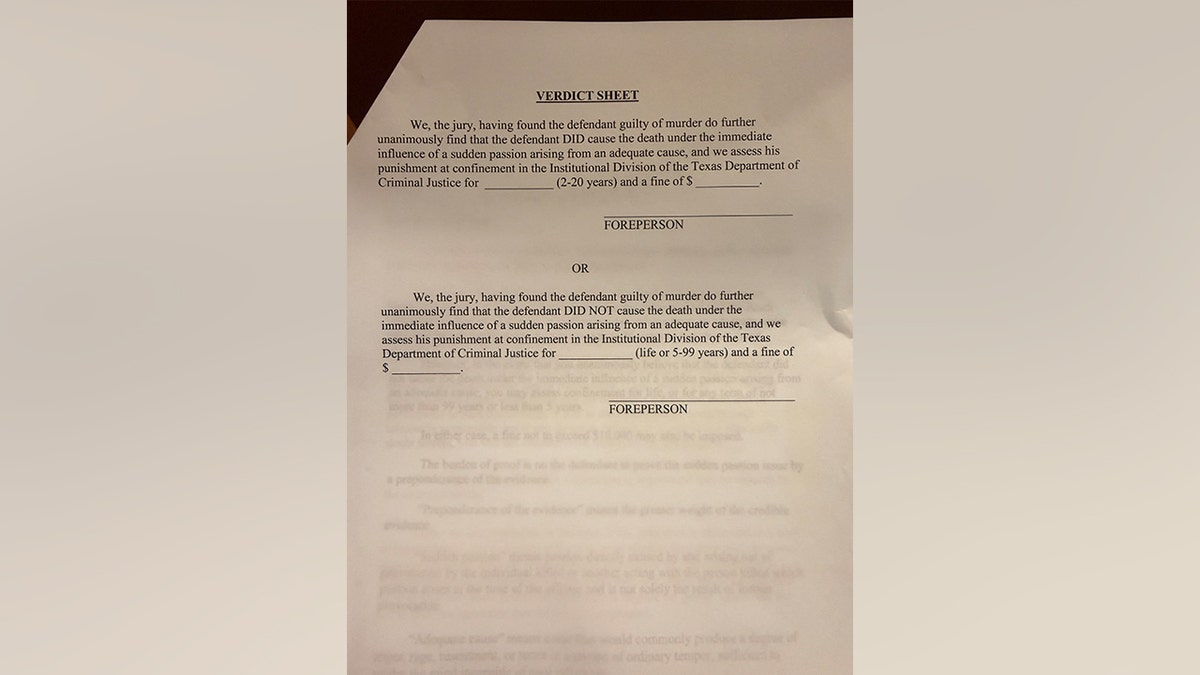
Jurors were then tasked with determining Anthony’s sentence, in which they decided Metcalf’s stabbing was not in “sudden pᴀssion,” which would have capped his potential prison time at 20 years behind bars. He ultimately faced the possibility of spending the rest of his life in prison.
“This verdict sends a clear message. Violence like this won’t be tolerated in our Collin County community. And we remain committed to protecting our school and standing with victims and their families,” Collin County District Attorney Greg Willis said at a news conference Tuesday evening, according to FOX 4.
The verdict followed days of emotional testimony from student athletes, police officers, forensic experts and coaches who described the confrontation that ended with Metcalf’s death at Kuykendall Stadium on April 2, 2025.
The verdict was reached just three hours after jurors were sent to deliberate following closing arguments Tuesday.
Anthony, who was 17 at the time, admitted he stabbed Metcalf but claimed he acted in self-defense.
As the verdict was being read, more than one hundred protesters – split between supporters of Metcalf and Anthony – descended on the courthouse, and at least one protester was taken into custody after a fight broke out in response to the guilty verdict.
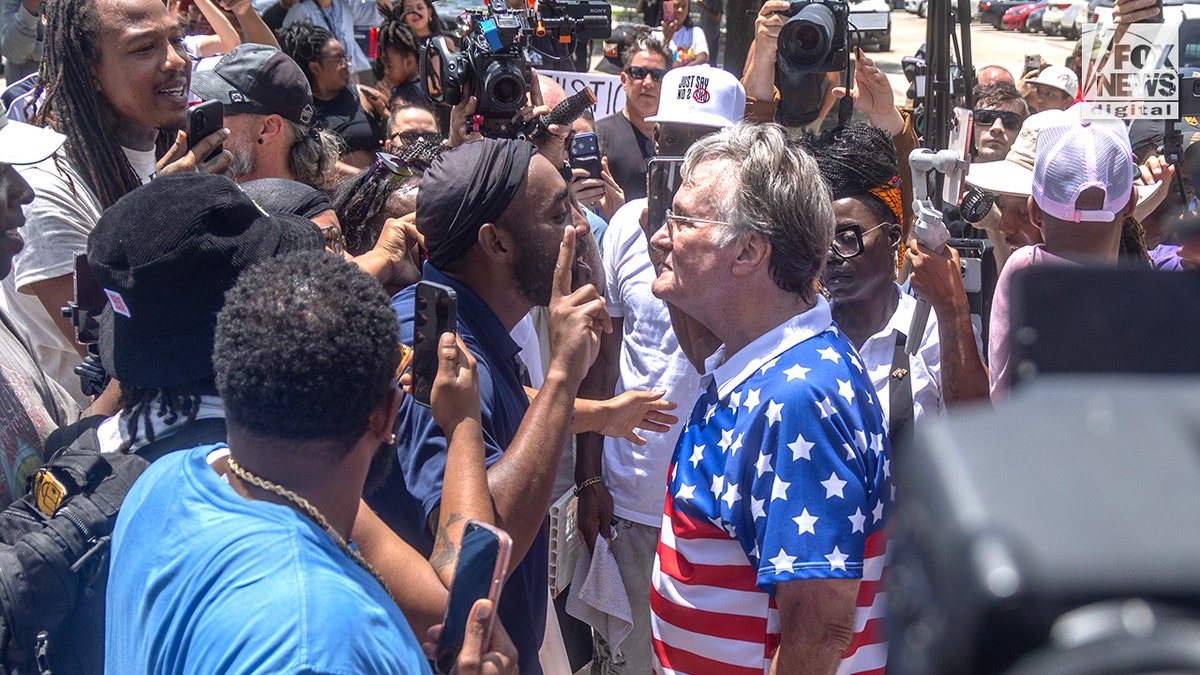
There was a heavy police presence outside the courthouse. A court official said a few arrests were made, but no other details were immediately available.
At the center of the case was a confrontation that unfolded beneath a Memorial High School team tent during a rainy track meet attended by schools from across North Texas.
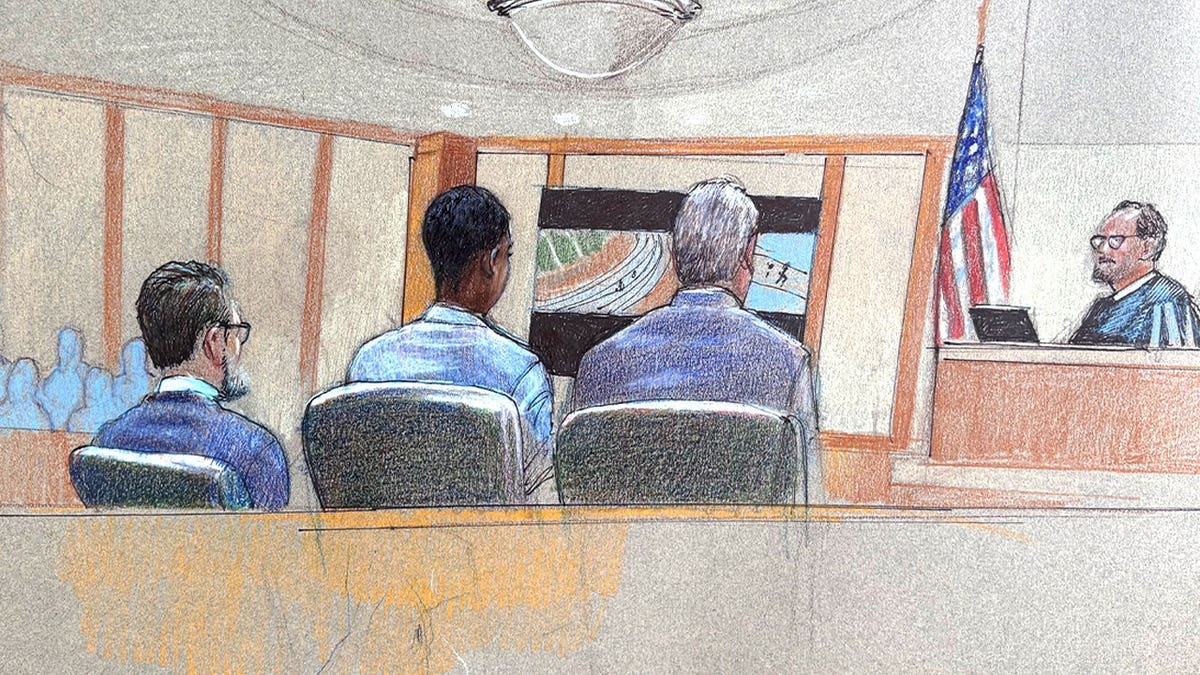
According to trial testimony, Anthony, a student from a different school, sat beneath the Memorial tent shortly before the confrontation began. Several student athletes testified that they questioned why he was there and repeatedly asked him to leave.
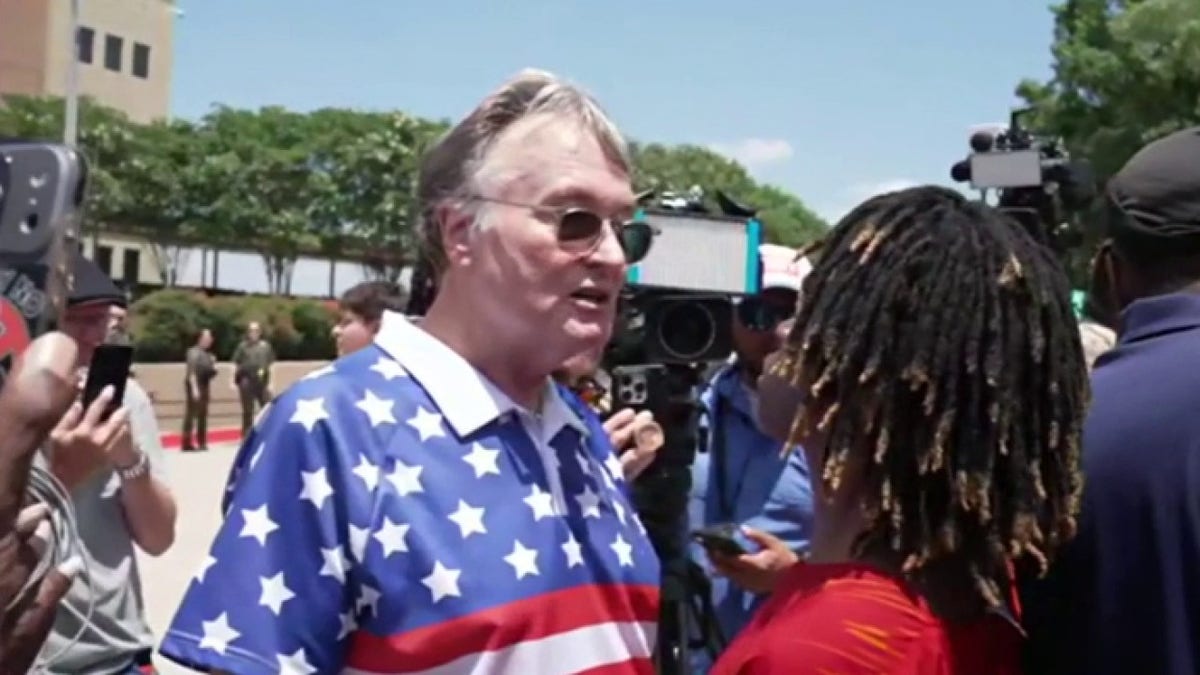
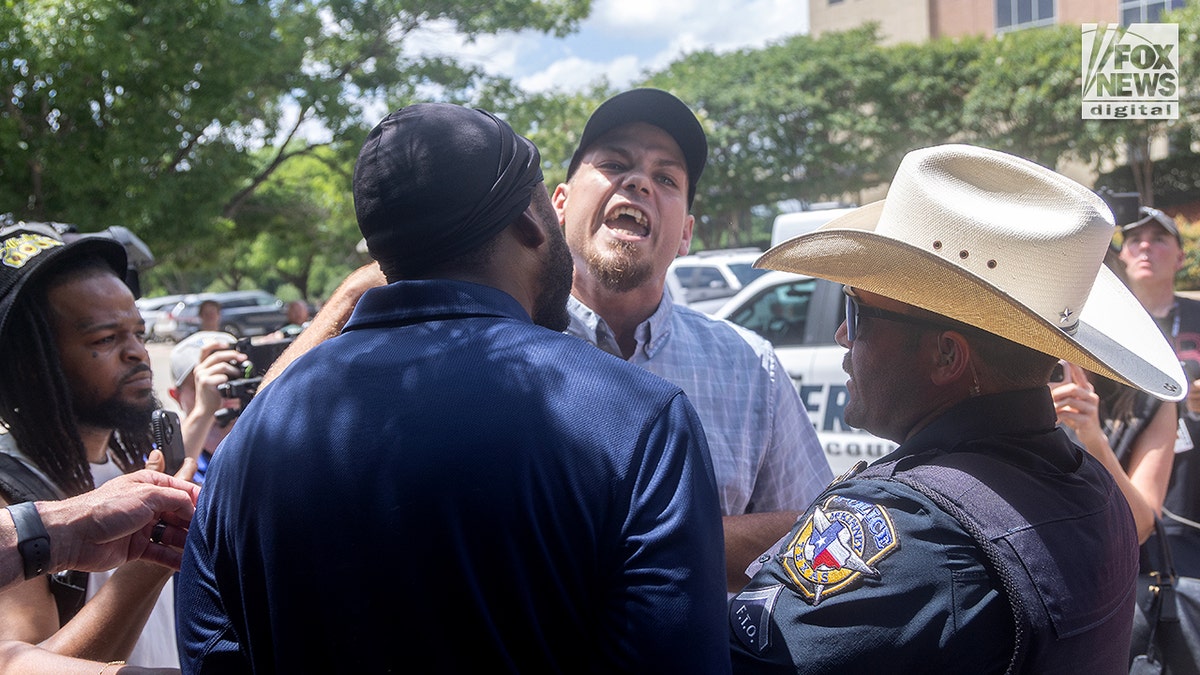
Witnesses told jurors that Austin Metcalf eventually approached Anthony and asked him to move. One student testified that Anthony was asked to leave roughly 15 times. Multiple witnesses recalled Anthony responding with statements such as, “Touch me and you’ll find out” and “If you want me to move, you have to move me.”
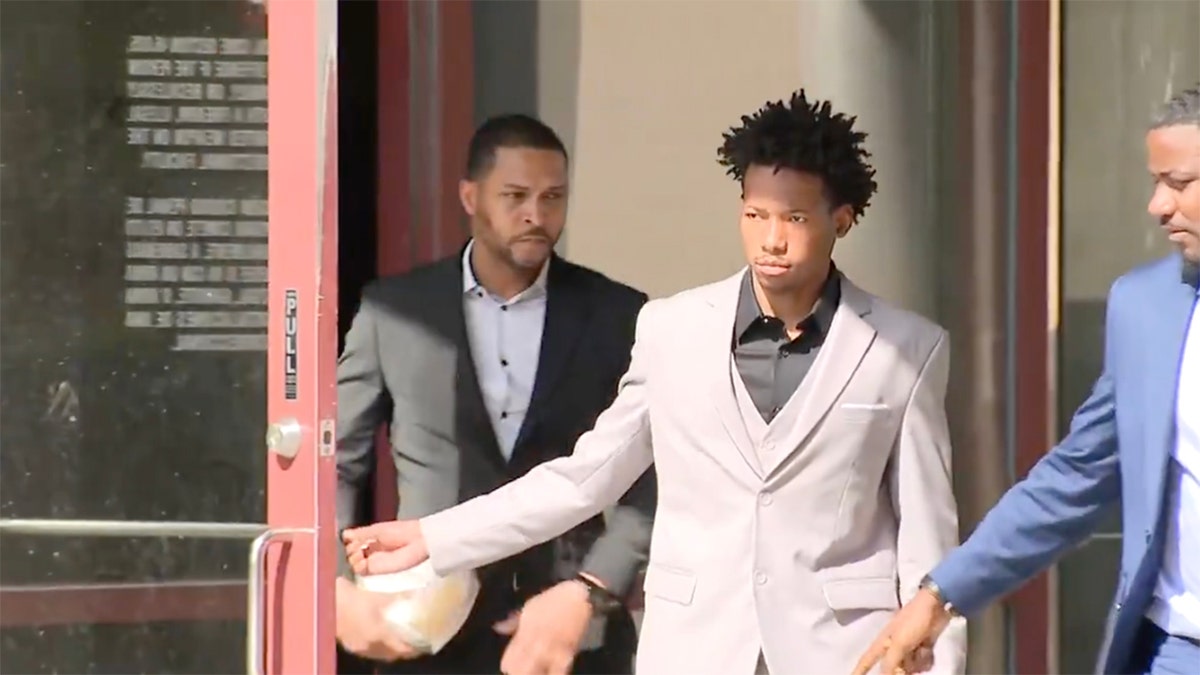
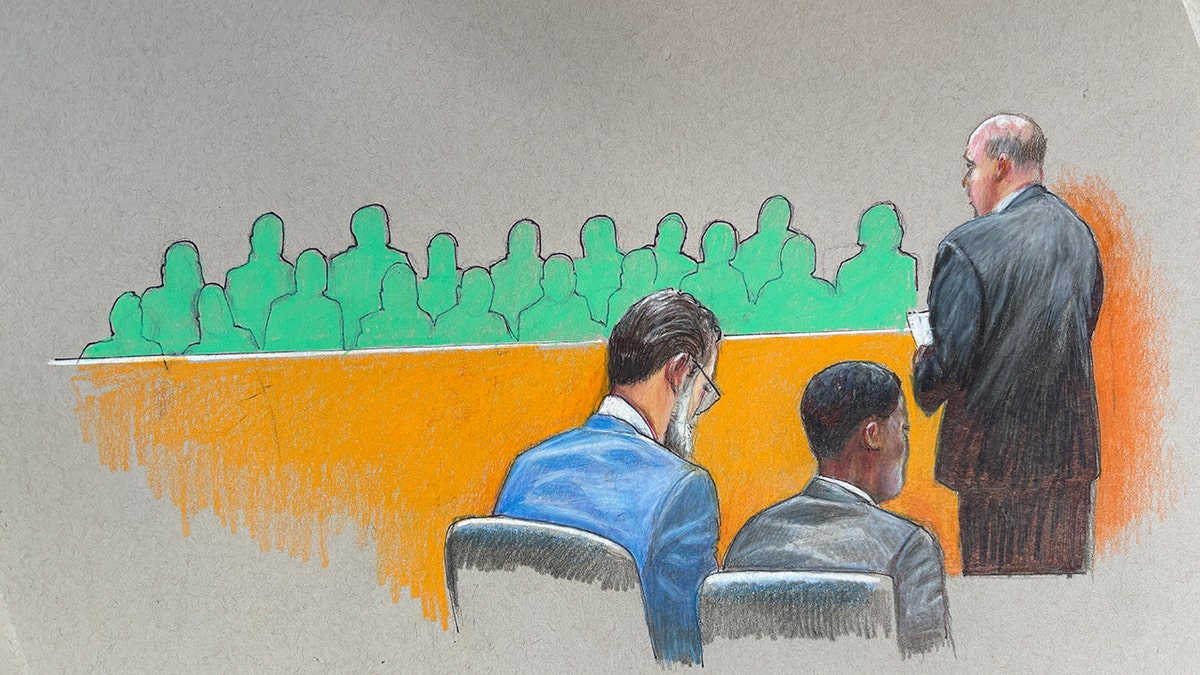
Witnesses also repeatedly referenced Anthony keeping one hand inside his backpack during the exchange. Several students testified they believed Anthony was bluffing when he suggested he had something in the bag.
The confrontation turned physical moments later. Witnesses gave differing accounts about exactly how Metcalf touched Anthony before the stabbing, with some describing a shove and others describing a grab. Testimony also varied on whether Metcalf used one hand or two.
Anthony then stabbed Metcalf in the chest, according to testimony.
Several students said they initially believed Anthony was bluffing. One witness testified that he did not realize Metcalf had been stabbed until he saw Anthony throw an object into the bleachers. Another recalled hearing Metcalf say, “Oh my God.”
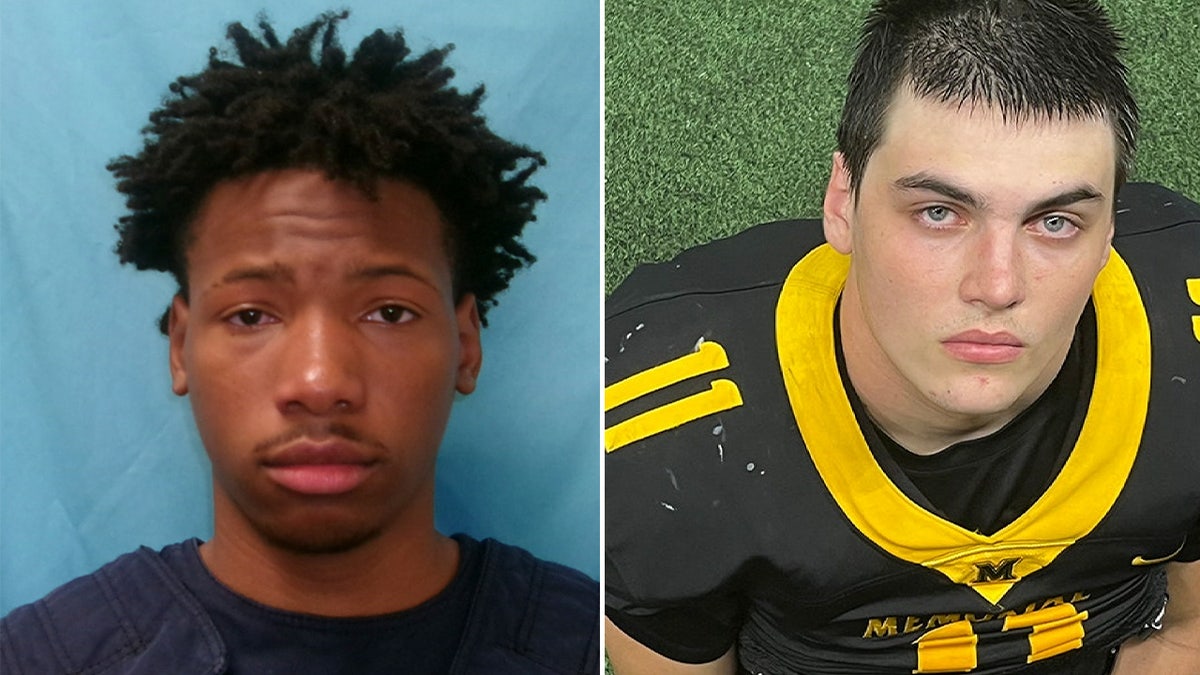
The prosecution’s case
Prosecutors argued that Anthony escalated a verbal disagreement into a ᴅᴇᴀᴅly encounter by pulling a knife from his backpack and stabbing an unarmed teenager.
To support that argument, prosecutors called 21 witnesses, including students who witnessed the confrontation, investigators who processed the crime scene and the medical examiner who performed Metcalf’s autopsy.
Several student witnesses testified that Anthony was the aggressor and that the stabbing did not appear to be an act of self-defense.
One witness testified that no one attempted to gang up on Anthony and described the physical contact before the stabbing as “minor pushing at most.” Another witness testified that Anthony appeared to be “looking for a fight.”
Jurors also heard testimony that Anthony told an officer after the stabbing, “I’m not alleged, I did it. He put his hands on me. I told him not to.”
The medical examiner’s testimony was among the most difficult moments of the trial. Metcalf’s family left the courtroom while autopsy pH๏τographs were shown to the jury and his injuries were described in detail.
The defense’s case
Defense attorneys argued that Anthony acted in self-defense after being confronted by a larger student and physically touched during the dispute.
Throughout the trial, defense attorneys emphasized that Anthony was seated for much of the confrontation while Metcalf and other students were standing nearby. Testimony indicated Metcalf outweighed Anthony by roughly 50 to 60 pounds.
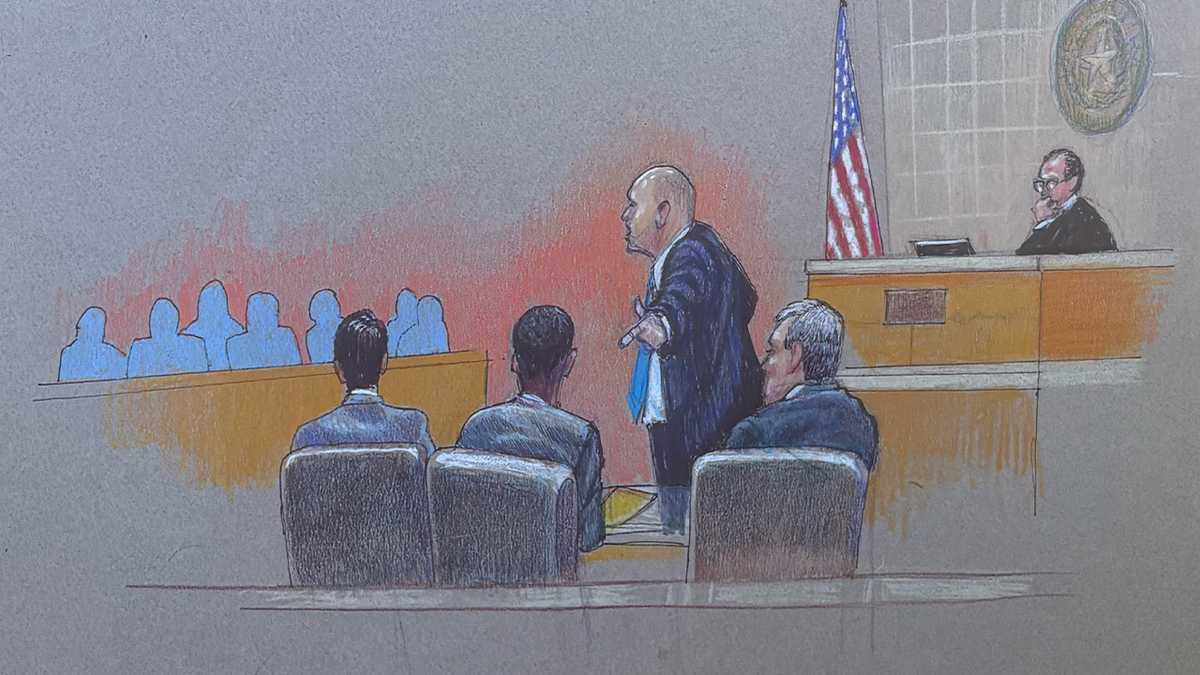
Defense attorneys also highlighted inconsistencies among witness accounts regarding where students were positioned, how many hands Metcalf used when touching Anthony and who was standing nearby at the time of the confrontation.
Anthony’s track coach testified that athletes from different schools routinely mingle at track meets and said his team lacked enough volunteers to set up a tent that day. He acknowledged, however, that students should leave if asked to leave another team’s tent.
One of Anthony’s friends testified that he had previously spent time under tents belonging to other schools without issue but said he would leave if asked.
Defense witnesses also pointed to testimony that another student under the tent knew Anthony and greeted him when he arrived.
After the prosecution rested its case, defense attorneys moved for a directed verdict, arguing prosecutors had failed to prove their case. The judge denied the motion.
The emotional toll
The trial frequently shifted from legal arguments to raw emotion.
Several teenage witnesses became emotional while recounting the events of April 2, 2025. One testified while holding a football because it helped calm his nerves. Another gripped a yellow stress ball throughout his testimony.
That witness, a football player and track athlete, told jurors that his father had recently been murdered in California. He described Metcalf as a football captain and mentor who believed in him.
A recent Liberty High School graduate became emotional while recalling seeing Metcalf bleeding after the stabbing.
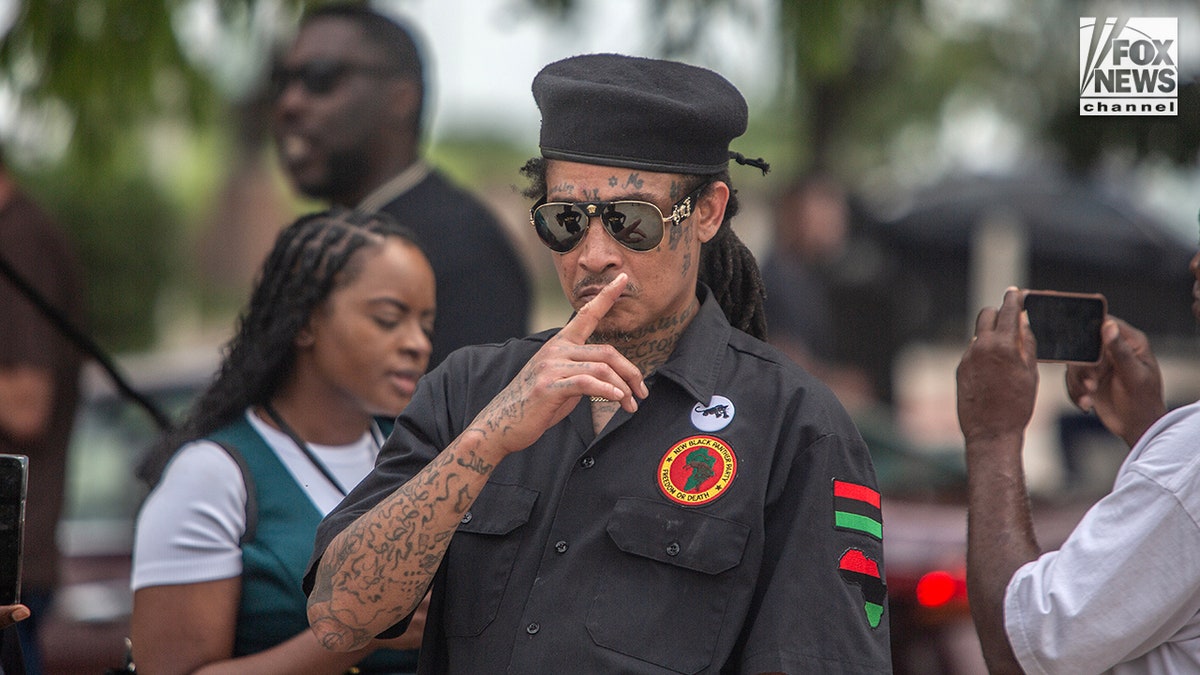
Witnesses repeatedly described Metcalf as a leader, teammate and role model.
One student testified that Metcalf was “always leading” and “always protecting us.”
Another recalled Metcalf telling Anthony, “I’m not going to fight you at a track meet.”
The trial also brought renewed attention to the devastation suffered by the Metcalf family.
Austin’s twin brother, Hunter, witnessed the stabbing and was with Austin in his final moments.
Austin Metcalf’s father, Jeff Metcalf, has repeatedly spoken publicly about losing his son.
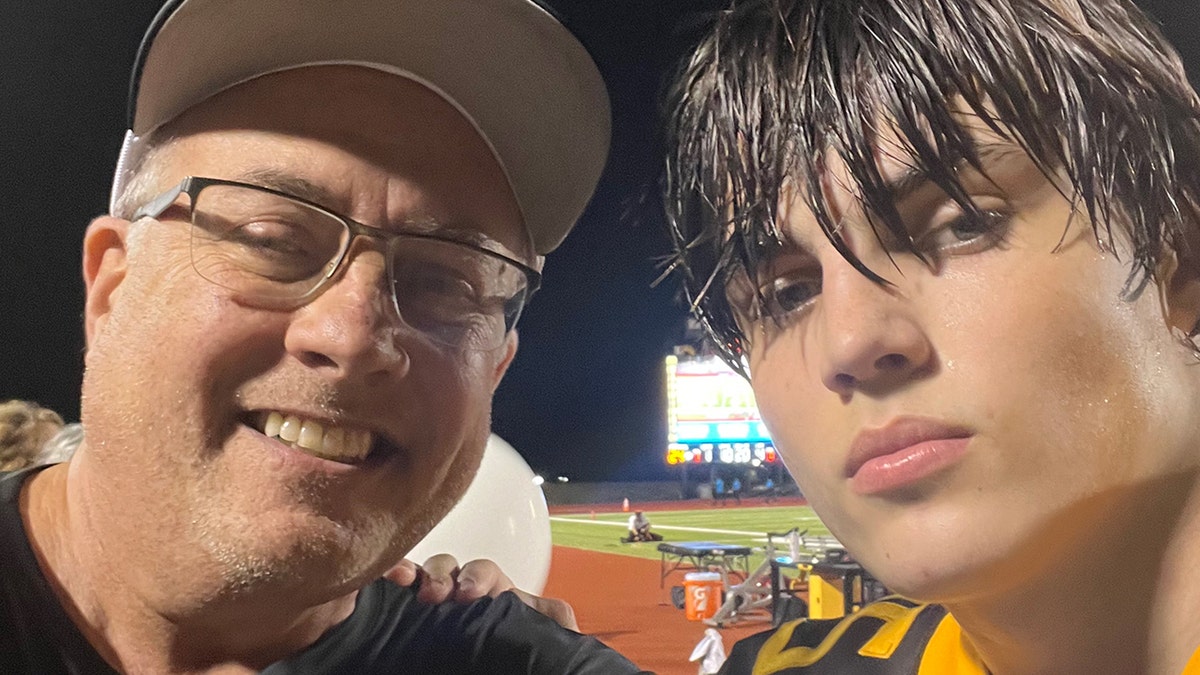
“Austin was the light of my life,” Metcalf previously told Fox News.
Metcalf said his son died in Hunter’s arms.
“This person made a bad choice and affected both his family and my family forever,” he said.
Despite the tragedy, Metcalf publicly expressed forgiveness toward Anthony.
“People ask me, how can you forgive this other person?” Metcalf told Fox News. “I forgive the other person because the forgiveness is not for him. The forgiveness is for me so I can have peace. His life is destroyed. My life is destroyed.”
National attention and courthouse demonstrations
The case drew national attention in the months leading up to trial, fueled by public debate over Anthony’s self-defense claim, questions surrounding race and demonstrations organized by supporters of both families.
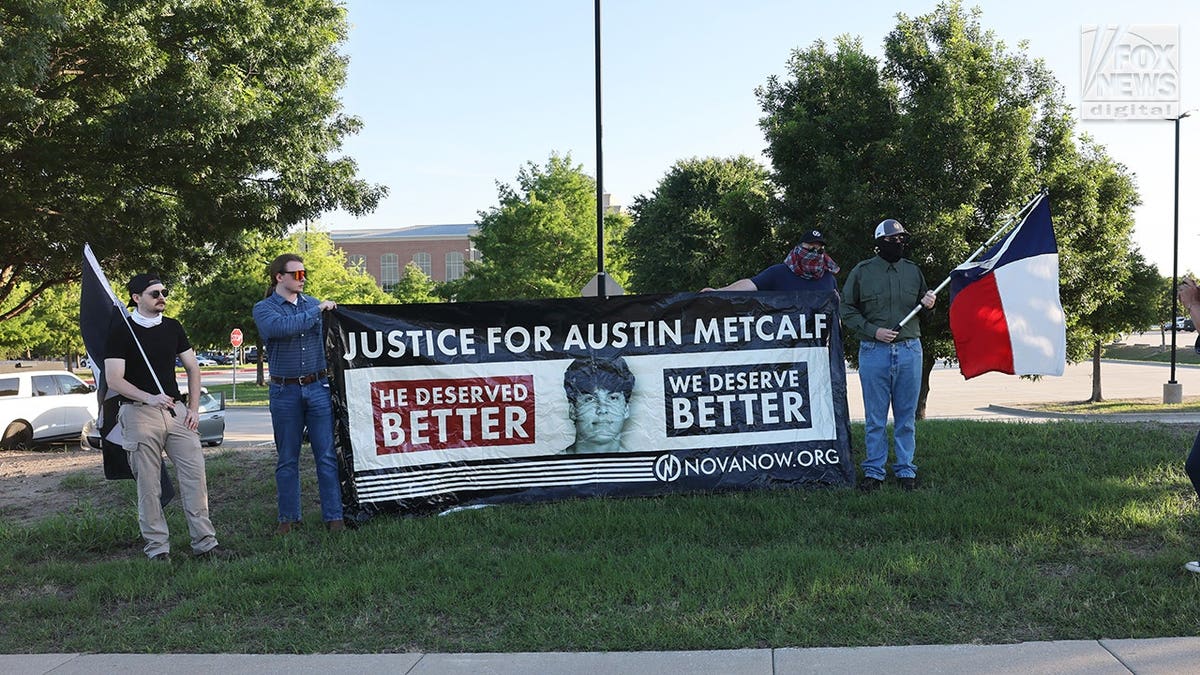
The attention surrounding the case extended beyond the courtroom and often played out outside the Collin County courthouse.
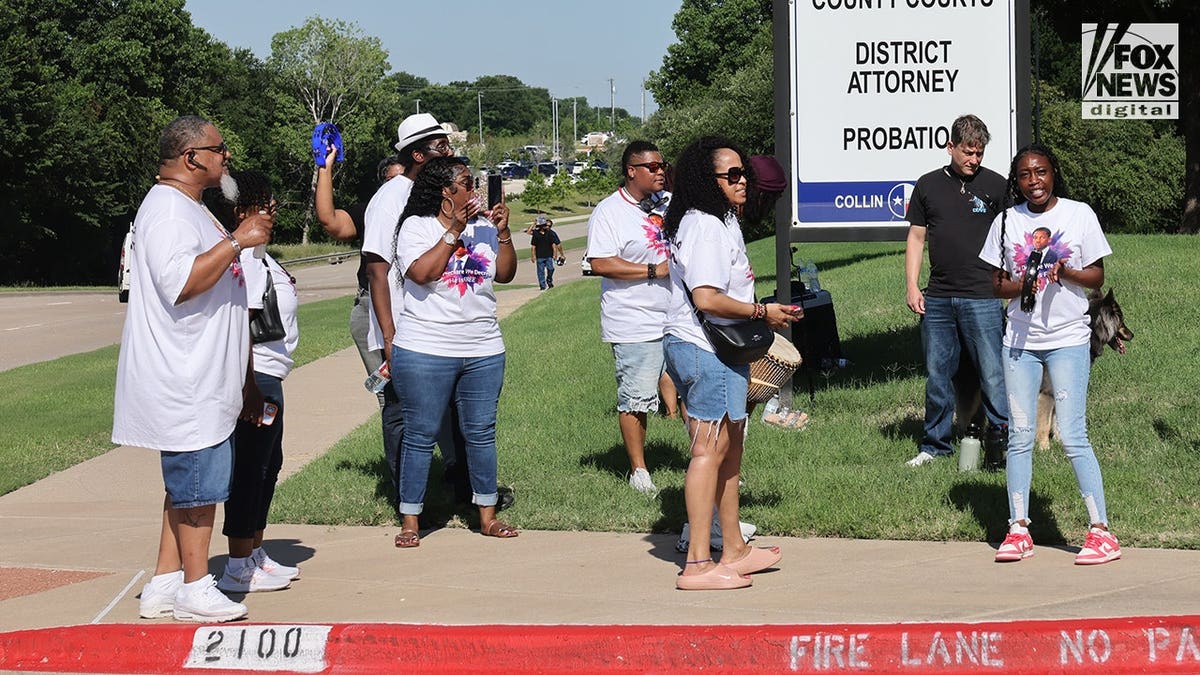
Throughout the trial, a small group of Anthony supporters gathered outside carrying signs reading “Justice for Karmelo Anthony.” At times, supporters chanted and held demonstrations in the courthouse parking lot. While tensions occasionally flared between supporters and pᴀssersby, no major confrontations were reported.
On the day the jury was expected to begin deliberations, Dominique Alexander and the Next Generation Action Network, the activist group that has publicly supported Anthony’s family since shortly after the stabbing, held a news conference outside the courthouse urging supporters to remain peaceful and respect the judicial process.
In a statement, the organization warned against individuals it described as seeking to provoke confrontations and called for demonstrations to remain focused on “justice, fairness, due process, and equal protection under the law.”
The group also condemned threats, political violence and extremist rhetoric directed at anyone connected to the case, including Anthony, his family, supporters, journalists and court personnel.
The demonstrations reflected the national attention the case attracted, with supporters and critics debating Anthony’s self-defense claim, the role race played in public reaction to the case and broader questions about justice and accountability.
Meanwhile, Metcalf’s family repeatedly urged the public to focus on Austin’s life and the facts presented in court.
💔 STELLA PARTON BREAKS HER SILENCE — What She Said About Dolly’s Health Has Fans Looking Back
Dolly Parton’s Sister Breaks Silence What Really Happened - GMT - G1
Stella Parton was born May 4, 1949, the sixth of twelve children raised by Robert Lee and Avie Lee Parton in Sevierville, Tennessee — a household defined by noise, limited money, and almost no privacy, the kind of environment that produced strong, determined personalities.
Stella was one of them.
By seven, she was appearing alongside her older sister Dolly on a Knoxville television program; by her teens, she was writing her own songs, though marriage and motherhood pulled music to the margins of her life for a stretch.
The dream never fully disappeared.

In 1967, she recorded a gospel album with her mother and sisters, and later worked clubs in Washington, D.C., before founding her own record label in 1975 and releasing “I Want to Hold You in My Dreams Tonight,” which climbed to number nine on the country charts.
Long before any of that commercial success, Stella had already shown a willingness to take positions others avoided.
At 26, amid backlash against Australian singer Olivia Newton-John for winning recognition in country music, Stella recorded “Ode to Olivia” in her defense — a stand that offered her no career benefit and real risk of criticism, but one she took anyway simply because she believed staying silent was the wrong choice.
That instinct defined the rest of her career: hits like “The Danger of a Stranger” and “Steady as the Rain” (written by Dolly) built a genuine, independent following, including in the U.K., while Stella also worked in New York theater and spoke openly, often controversially, about poverty, domestic violence, and the treatment of women in the music industry.
She was named the Christian Country Music Association’s Female Vocalist of the Year in 2004.
Through all of it, she remained defined publicly, more often than not, as simply “Dolly’s little sister” — a label she spent five decades quietly proving didn’t tell the full story.
That same directness is why her comments in the fall of 2025 carried real weight.
Stella had never positioned herself as the family’s image manager or spokesperson; she was, by reputation, someone who believed difficult truths shouldn’t stay hidden indefinitely.
What she described wasn’t dramatic or accusatory — it was a portrait of a woman who had spent years prioritizing everyone else’s needs over her own.
The context mattered.
Carl Dean, Dolly’s husband of nearly sixty years, died in March 2025 at 82, after a long illness during which Dolly had devoted herself almost entirely to his care.
She later acknowledged that in the process, she’d neglected her own health significantly.
The loss reverberated through the whole extended family — the Partons had lost three brothers in the years surrounding this period, compounding grief that, for a family that had once crowded twelve children into a single small home, meant losing pieces of a shared childhood one after another.
Stella herself went seven years without releasing new music during this stretch, later describing the period simply as one shaped by sorrow, while still speaking about the importance of finding moments of laughter within it.
Looking back, one moment reads very differently in hindsight than it did at the time: in late September 2025, Dolly postponed her planned Las Vegas residency, citing health challenges — a rare cancellation for a performer whose six-decade career had included very few of them.
At the time, most fans treated it as a minor, temporary setback.
Stella’s later reflections suggested the signs had actually been building for some time, visible to family in ways the public smile made easy to miss.
That concern crystallized publicly not long after, when Dolly’s younger sister Frieda posted a simple request on Facebook asking fans to pray for Dolly.
What looked at first like an ordinary, well-meaning gesture spread rapidly, sparking widespread speculation about how serious Dolly’s condition actually was.
Dolly herself responded directly within days, appearing in a video from a Grand Ole Opry commercial shoot, insisting with her familiar humor that she wasn’t finished yet — the now widely remembered “I ain’t dead yet” moment that briefly quieted public concern.
In the months that followed, the pattern repeated: reassuring updates about kidney stones, dehydration, and treatment, paired with continued work on new projects, right up until Dolly Parton’s death on August 25, 2026, at 80.
Looking back across that full timeline — the postponed residency, the family’s public worry, Stella’s own account of a sister who consistently deprioritized her own wellbeing — it becomes easier to see what the people closest to Dolly understood well before the rest of the world did: that the warmth and resilience the public saw every time she appeared on camera came at a real, largely invisible cost.



&imwidth=800&imheight=600&format=webp&quality=medium "Flydubai flight attack: Why was a crash axe inside the cockpit? Was it used to attack Captain Smit Machchhar?")