A routine commercial flight transformed into a harrowing airborne emergency on Wednesday, immediately capturing global attention and raising profound questions regarding international aviation security.
The incident, which is currently being treated as a suspected terror event aboard a FlyDubai flight bound for Tel Aviv, sent shockwaves through the aviation industry as pᴀssengers and crew experienced a terrifying mid-air crisis.
The combination of an abrupt cockpit altercation, a dramatic plunge from the skies, and complex geopolitical security loopholes has turned the event into a major focal point for public concern and official inquiry worldwide.
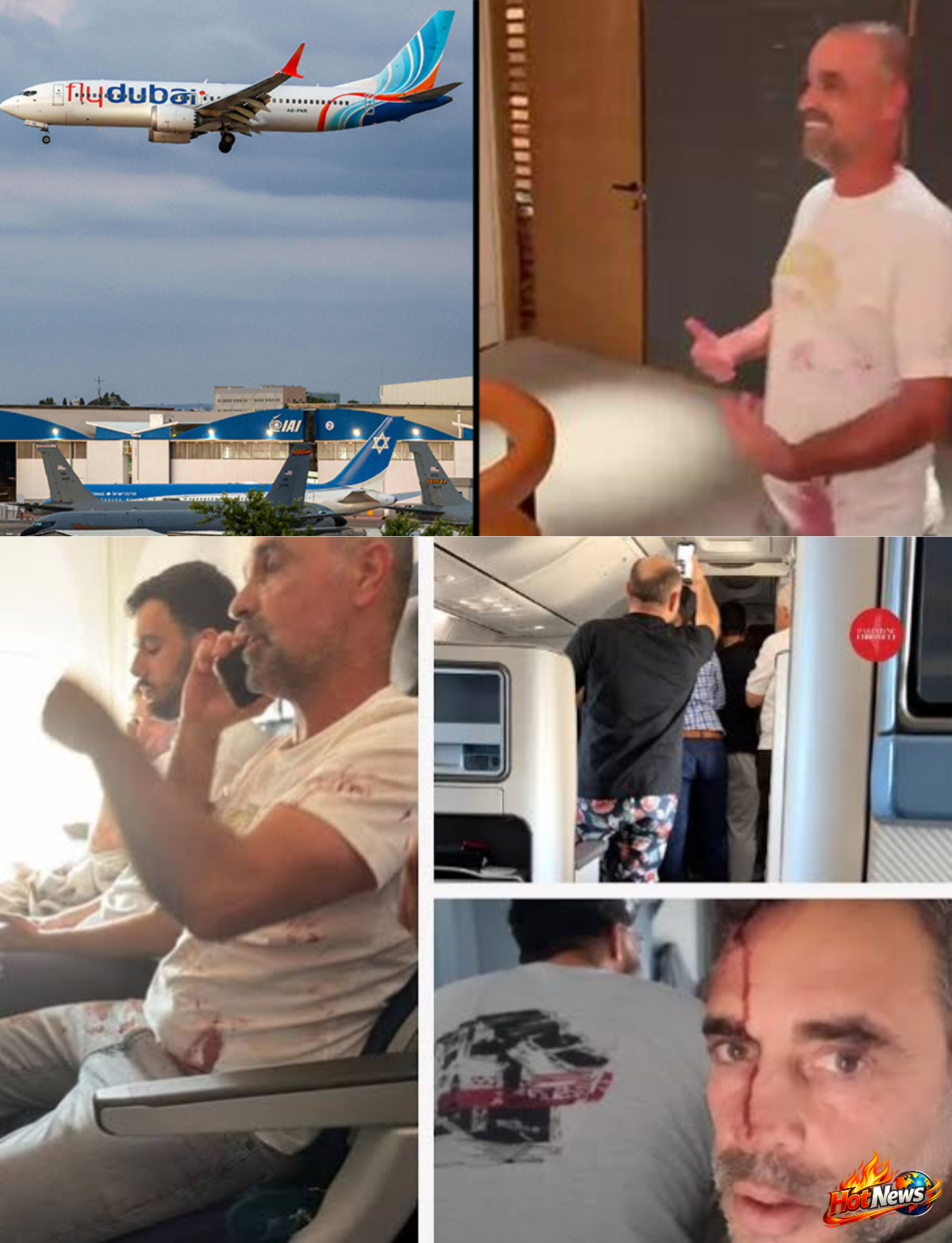
The sequence of events began on Wednesday as the FlyDubai commercial aircraft progressed along its scheduled route toward Tel Aviv. According to official reports detailing the timeline, the situation turned critical mid-flight when an unexpected physical confrontation erupted inside the cockpit.
Investigators state that the co-pilot—an Omani national who had been employed by the airline for under twelve months—allegedly attacked the captain while the aircraft was airborne.
This severe breach of flight deck security immediately triggered an onboard hijacking alert and threw the commercial airliner into a violent, rapid descent, forcing the plane to plummet a staggering 18,000 feet before the crew managed to stabilize the aircraft and execute a safe emergency landing in Saudi Arabia.
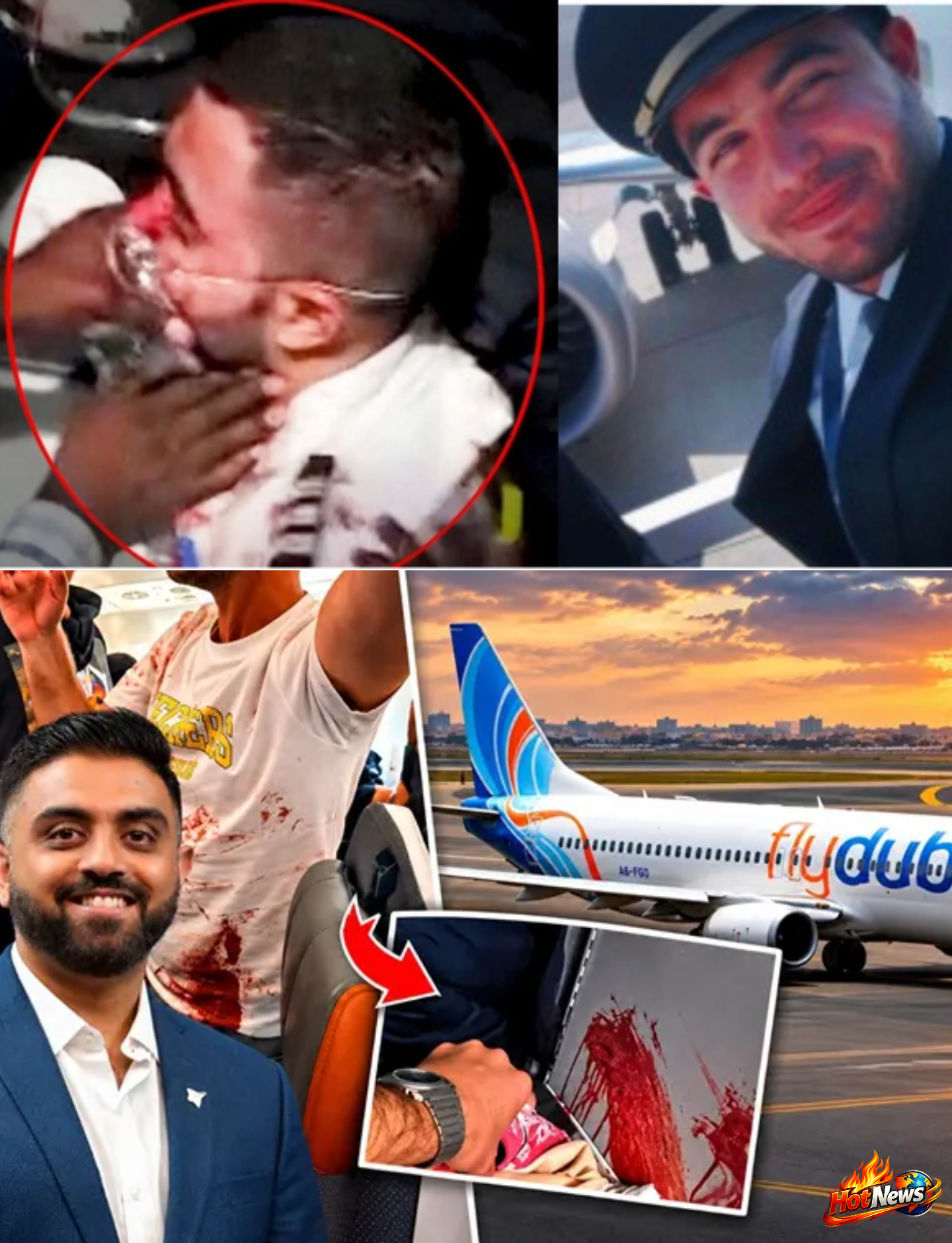
In the immediate aftermath of the emergency landing, significant questions were raised by Israeli authorities regarding the integrity of security vetting and screening procedures.
Particular scrutiny from officials has focused on how an aviator hailing from Oman managed to clear background checks and secure a position on a flight bound for Tel Aviv, noting the diplomatic reality that Oman and Israel do not maintain formal diplomatic relations.
Under standard operating protocols, such sensitive routes typically mandate that pilots originate from nations possessing formal diplomatic ties.
Addressing these pressing security implications, Transport Minister Miri Regev has formally demanded a full-scale probe into the incident, alongside calling for the temporary suspension of all FlyDubai routes operating into Tel Aviv while the security review is conducted.
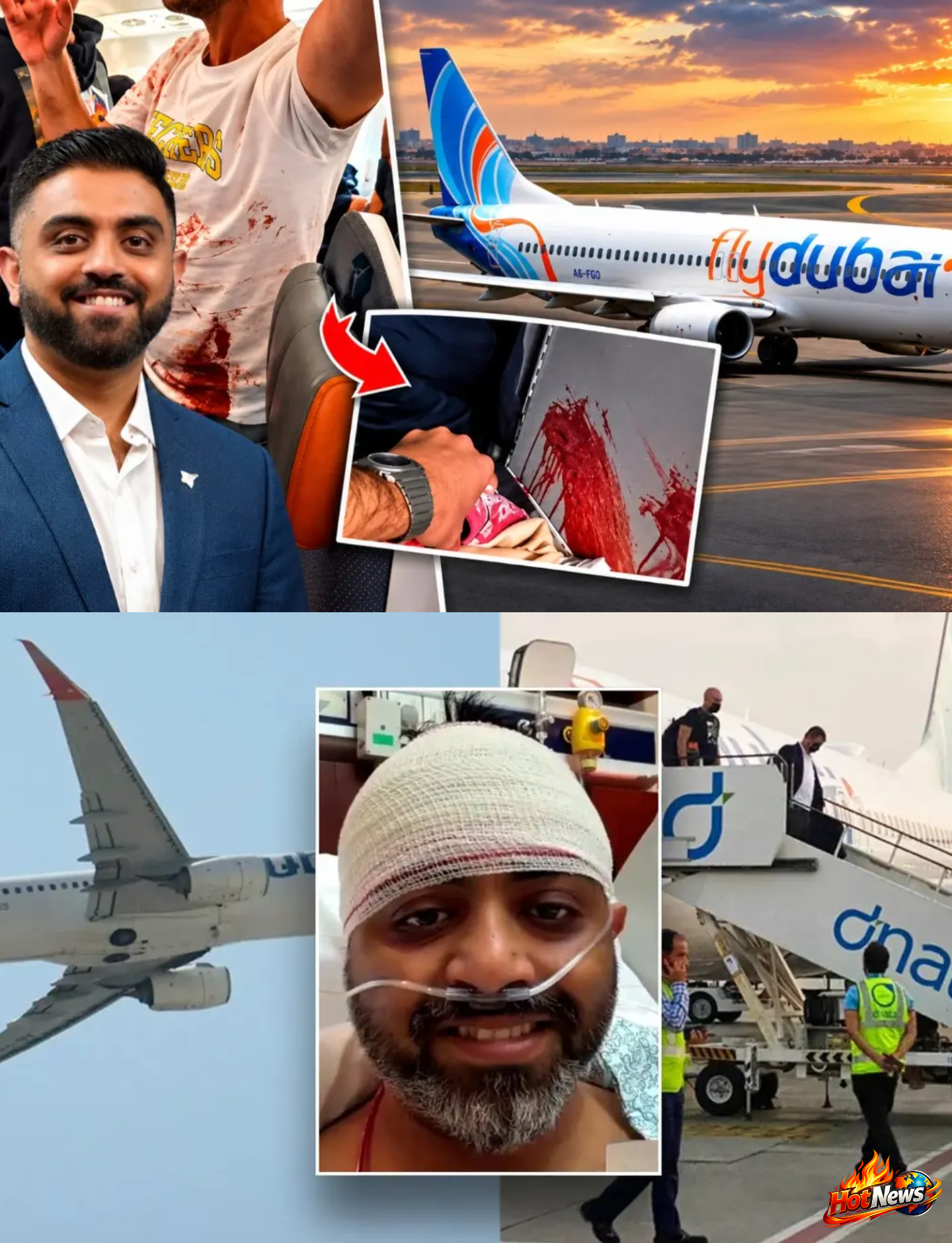
As aviation safety boards, government ministries, and security agencies continue their work, the formal investigation into Wednesday’s events remains entirely active.
Authorities have emphasized that inquiries are ongoing to determine the precise factors that led to the cockpit confrontation and to evaluate the security clearance protocols that preceded the flight.
No final conclusions or official determinations regarding accountability have been reached at this stage, and the entire situation remains under active official review by the relevant regulatory and law enforcement bodies as the investigation proceeds.
💔 STELLA PARTON BREAKS HER SILENCE — What She Said About Dolly’s Health Has Fans Looking Back
Dolly Parton’s Sister Breaks Silence What Really Happened - GMT - G1
Stella Parton was born May 4, 1949, the sixth of twelve children raised by Robert Lee and Avie Lee Parton in Sevierville, Tennessee — a household defined by noise, limited money, and almost no privacy, the kind of environment that produced strong, determined personalities.
Stella was one of them.
By seven, she was appearing alongside her older sister Dolly on a Knoxville television program; by her teens, she was writing her own songs, though marriage and motherhood pulled music to the margins of her life for a stretch.
The dream never fully disappeared.
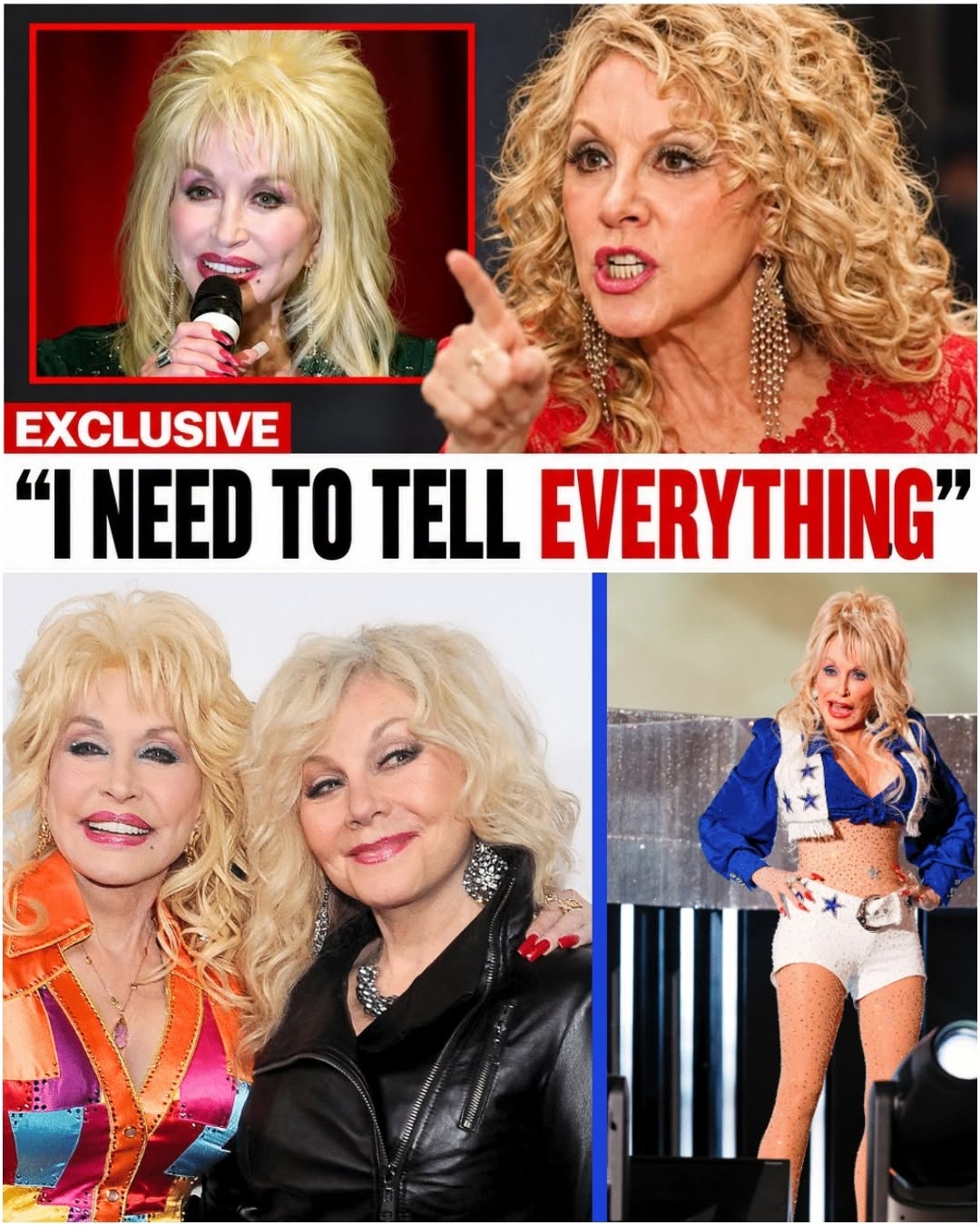
In 1967, she recorded a gospel album with her mother and sisters, and later worked clubs in Washington, D.C., before founding her own record label in 1975 and releasing “I Want to Hold You in My Dreams Tonight,” which climbed to number nine on the country charts.
Long before any of that commercial success, Stella had already shown a willingness to take positions others avoided.
At 26, amid backlash against Australian singer Olivia Newton-John for winning recognition in country music, Stella recorded “Ode to Olivia” in her defense — a stand that offered her no career benefit and real risk of criticism, but one she took anyway simply because she believed staying silent was the wrong choice.
That instinct defined the rest of her career: hits like “The Danger of a Stranger” and “Steady as the Rain” (written by Dolly) built a genuine, independent following, including in the U.K., while Stella also worked in New York theater and spoke openly, often controversially, about poverty, domestic violence, and the treatment of women in the music industry.
She was named the Christian Country Music Association’s Female Vocalist of the Year in 2004.
Through all of it, she remained defined publicly, more often than not, as simply “Dolly’s little sister” — a label she spent five decades quietly proving didn’t tell the full story.
That same directness is why her comments in the fall of 2025 carried real weight.
Stella had never positioned herself as the family’s image manager or spokesperson; she was, by reputation, someone who believed difficult truths shouldn’t stay hidden indefinitely.
What she described wasn’t dramatic or accusatory — it was a portrait of a woman who had spent years prioritizing everyone else’s needs over her own.
The context mattered.
Carl Dean, Dolly’s husband of nearly sixty years, died in March 2025 at 82, after a long illness during which Dolly had devoted herself almost entirely to his care.
She later acknowledged that in the process, she’d neglected her own health significantly.
The loss reverberated through the whole extended family — the Partons had lost three brothers in the years surrounding this period, compounding grief that, for a family that had once crowded twelve children into a single small home, meant losing pieces of a shared childhood one after another.
Stella herself went seven years without releasing new music during this stretch, later describing the period simply as one shaped by sorrow, while still speaking about the importance of finding moments of laughter within it.
Looking back, one moment reads very differently in hindsight than it did at the time: in late September 2025, Dolly postponed her planned Las Vegas residency, citing health challenges — a rare cancellation for a performer whose six-decade career had included very few of them.
At the time, most fans treated it as a minor, temporary setback.
Stella’s later reflections suggested the signs had actually been building for some time, visible to family in ways the public smile made easy to miss.
That concern crystallized publicly not long after, when Dolly’s younger sister Frieda posted a simple request on Facebook asking fans to pray for Dolly.
What looked at first like an ordinary, well-meaning gesture spread rapidly, sparking widespread speculation about how serious Dolly’s condition actually was.
Dolly herself responded directly within days, appearing in a video from a Grand Ole Opry commercial shoot, insisting with her familiar humor that she wasn’t finished yet — the now widely remembered “I ain’t dead yet” moment that briefly quieted public concern.
In the months that followed, the pattern repeated: reassuring updates about kidney stones, dehydration, and treatment, paired with continued work on new projects, right up until Dolly Parton’s death on August 25, 2026, at 80.
Looking back across that full timeline — the postponed residency, the family’s public worry, Stella’s own account of a sister who consistently deprioritized her own wellbeing — it becomes easier to see what the people closest to Dolly understood well before the rest of the world did: that the warmth and resilience the public saw every time she appeared on camera came at a real, largely invisible cost.