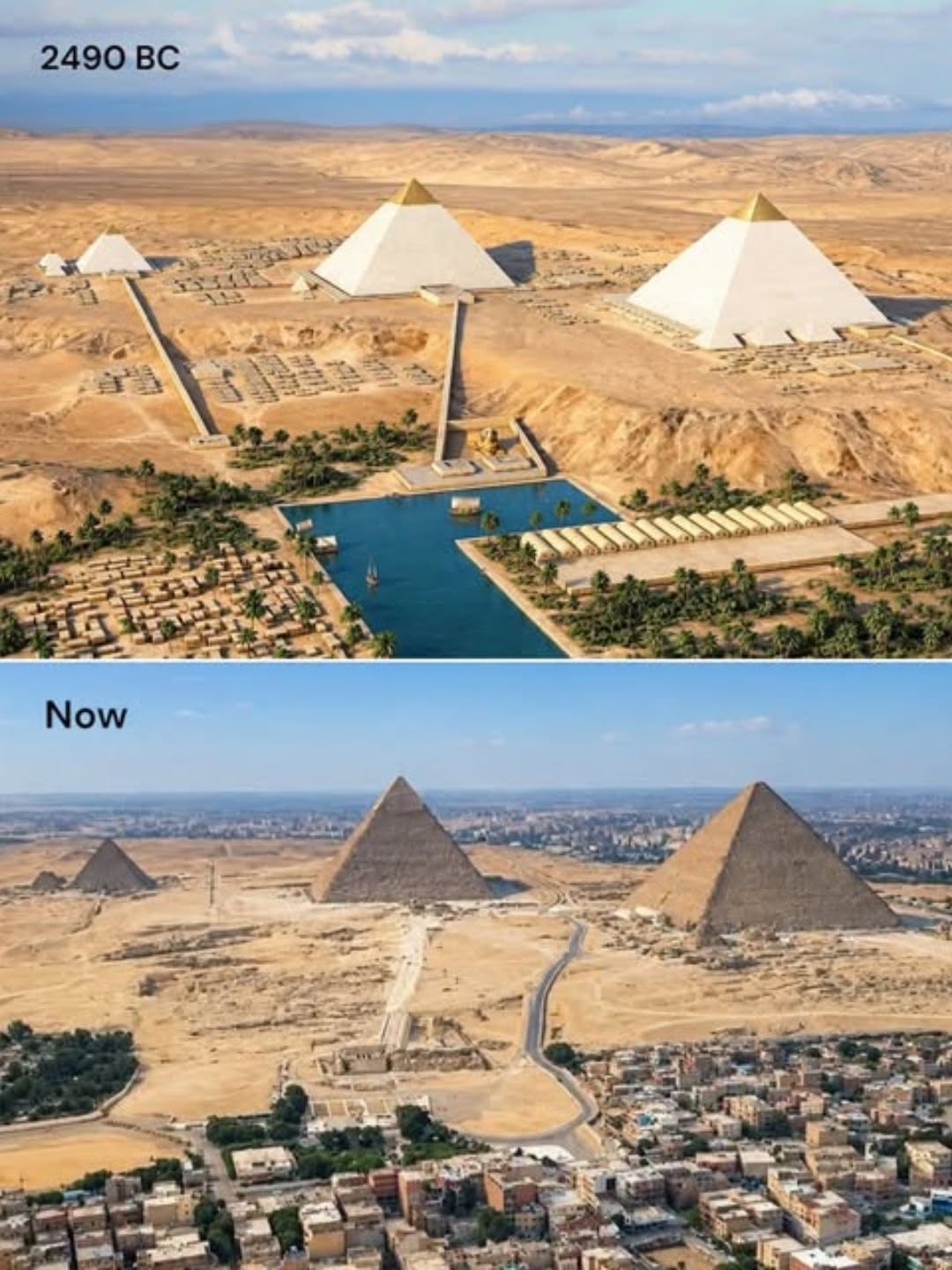
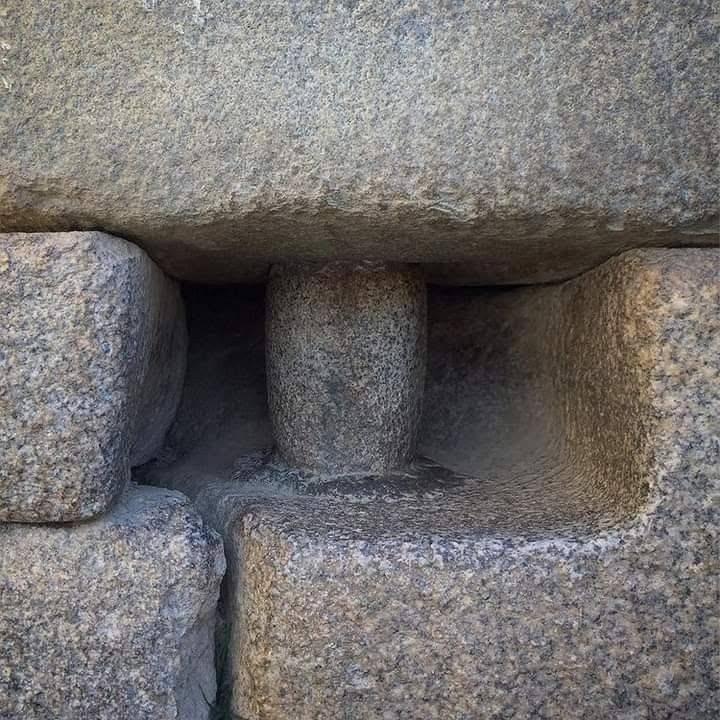
The image presented captures one of the most significant examples of Inka stonework, forming the exterior corner of the legendary Coricancha, or Temple of the Sun, in the heart of Cusco, Peru. This structure represents the apogee of Inka imperial architecture, a period of rapid expansion and monumental construction under rulers like Pachacuti Inka Yupanqui. The Coricancha was the most sacred shrine in the vast Inka Empire, dedicated primarily to Inti, the sun god, but also housing smaller shrines for other deities such as the moon (Quilla), stars (Coyllur), and lightning (Illapa). The choice of this specific location, at the confluence of two rivers and considered the spiritual navel of the Inka universe (Qosqo), underscores the profound religious and cosmological importance of the building. Its walls, like the one depicted, were not merely boundaries but sacred surfaces, once adorned with sheets of solid gold that reflected the sun’s rays, blinding pilgrims and broadcasting the power of the Inka state.
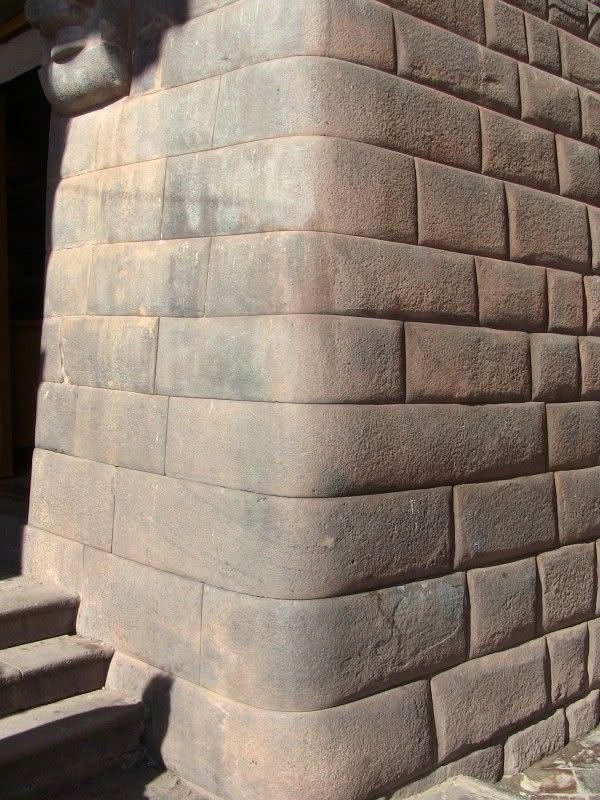
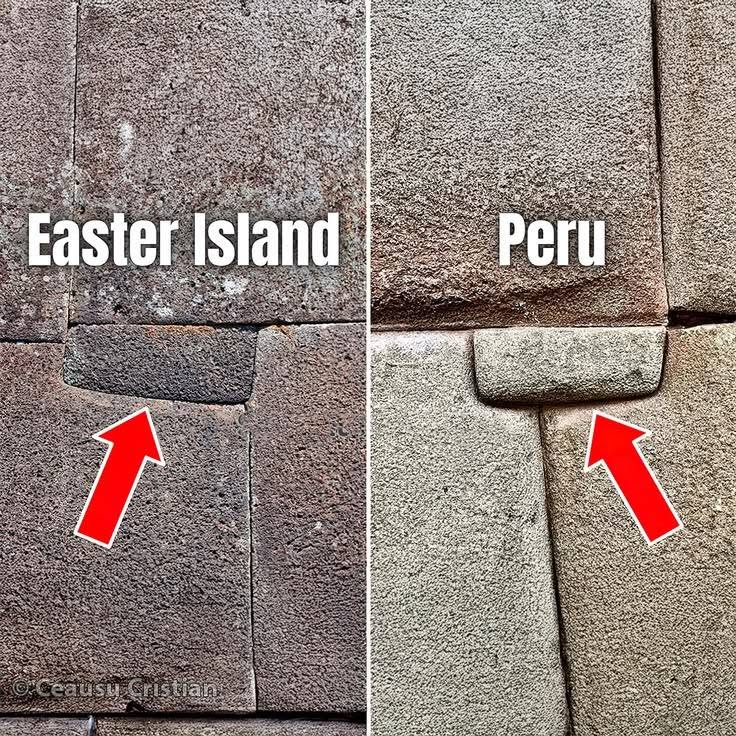
The material used in this masterpiece is a dense, reddish-andesite volcanic stone, sourced from quarries near Cusco, most notably Rumiqolqa. The selection of this specific stone type is deliberate; its hardness and fine grain allowed for the precise shaping required by the Inka masons, while its warm, earthy hue contributed to the sacred aesthetic of the temple. The stones were meticulously chosen and cut to create an intricate pattern where each block fits against its neighbors with a tolerance often described as being finer than a knife edge, eliminating the need for mortar. The technique involved pounding and grinding the surfaces against each other, with abrasive sand and water used to gradually achieve a perfect, airтιԍнт and waterтιԍнт seal. The rounded, slightly bulbous shape of each block, known as “pillow-faced” or kuskan in Quechua, is not an accident of erosion but a deliberate stylistic choice, creating subtle light and shadow play across the facade that animates the stone and emphasizes the volumetric strength of the architecture.
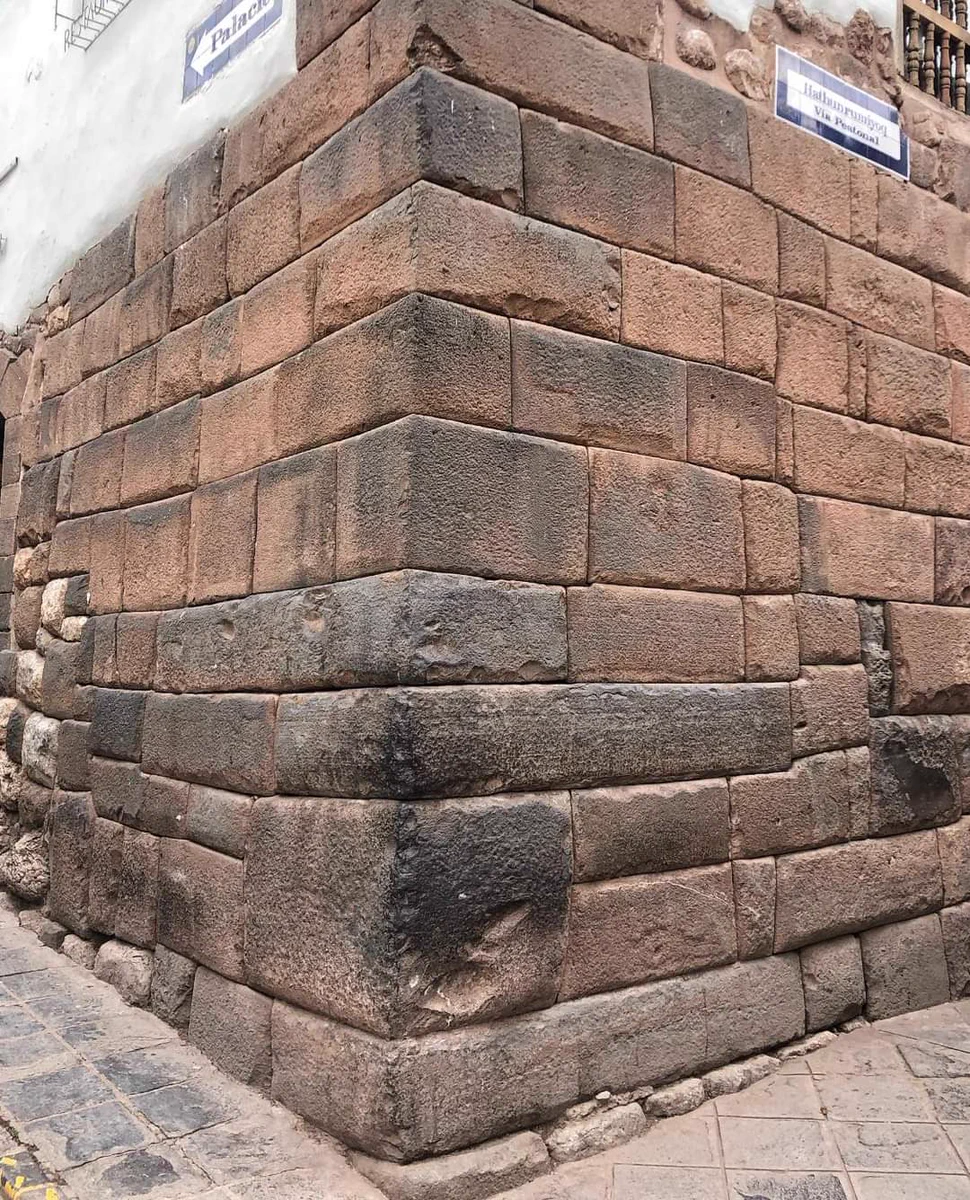
The construction of such a precise, mortarless wall was a monumental task requiring immense labor, organization, and advanced engineering skills, all hallmarks of the Inka mita system. Lacking iron or steel tools, Inka masons relied on a toolkit of stone hammers (pounding stones), bronze chisels, and abrasives like sand. The complex polygonal shapes of the blocks, which differ slightly on each course, suggest an adaptive building process where the final shape of each stone was determined in situ to fit the specific irregularities of the ones around it. The precision is so extraordinary that early Spanish chroniclers and subsequent explorers marveled at its execution, with some attributing it to the work of giants or even extraterrestrial intervention. Modern archaeological analysis, however, confirms that it is a purely human achievement, a testament to the Inka’s mastery of geometry, material science, and social organization.

Beyond its technical brilliance, the stonework of the Coricancha corner carries profound meaning. The very precision and stability of the structure were potent metaphors for the perceived permanence and divine order of the Inka Empire. The stones, locked together without mortar, represented the unity of the empire’s diverse peoples bound together by their allegiance to the Sapa Inka, the divine ruler. Furthermore, the seismic resilience of this type of architecture, with its interlocking, trapezoidal blocks that can flex and absorb energy without collapsing, demonstrated the Inka’s sophisticated understanding of their earthquake-prone environment and their ability to work harmoniously with the forces of nature. The Coricancha was not just a building; it was a physical manifestation of Inka cosmology, a sacred mountain of stone in the heart of their capital.

The historical trajectory of the Coricancha corner reflects the broader narrative of the Spanish Conquest. Following the capture of Atahualpa in Cajamarca in 1532, the Coricancha was systematically stripped of its gold, which was melted down for ransom. The temple complex was subsequently granted to the Dominican Order, who built their Church of Santo Domingo directly upon and using the Inka walls as foundations, a common colonial strategy of superimposing Christian symbols over indigenous sacred sites. The magnificent Inka corner shown in image_1.png, however, survived, incorporated as the apse of the colonial church. This juxtaposition is a powerful archaeological palimpsest, a visible record of the collision and layering of two distinct civilizations. The preservation of this Inka structure, despite centuries of colonial modification, is a testament to its unparalleled structural integrity and a powerful reminder of the enduring legacy of the Inka civilization. Today, the site is a protected national monument and a focal point for the study of Inka architecture and Andean cultural history.
💔 STELLA PARTON BREAKS HER SILENCE — What She Said About Dolly’s Health Has Fans Looking Back
Dolly Parton’s Sister Breaks Silence What Really Happened - GMT - G1
Stella Parton was born May 4, 1949, the sixth of twelve children raised by Robert Lee and Avie Lee Parton in Sevierville, Tennessee — a household defined by noise, limited money, and almost no privacy, the kind of environment that produced strong, determined personalities.
Stella was one of them.
By seven, she was appearing alongside her older sister Dolly on a Knoxville television program; by her teens, she was writing her own songs, though marriage and motherhood pulled music to the margins of her life for a stretch.
The dream never fully disappeared.

In 1967, she recorded a gospel album with her mother and sisters, and later worked clubs in Washington, D.C., before founding her own record label in 1975 and releasing “I Want to Hold You in My Dreams Tonight,” which climbed to number nine on the country charts.
Long before any of that commercial success, Stella had already shown a willingness to take positions others avoided.
At 26, amid backlash against Australian singer Olivia Newton-John for winning recognition in country music, Stella recorded “Ode to Olivia” in her defense — a stand that offered her no career benefit and real risk of criticism, but one she took anyway simply because she believed staying silent was the wrong choice.
That instinct defined the rest of her career: hits like “The Danger of a Stranger” and “Steady as the Rain” (written by Dolly) built a genuine, independent following, including in the U.K., while Stella also worked in New York theater and spoke openly, often controversially, about poverty, domestic violence, and the treatment of women in the music industry.
She was named the Christian Country Music Association’s Female Vocalist of the Year in 2004.
Through all of it, she remained defined publicly, more often than not, as simply “Dolly’s little sister” — a label she spent five decades quietly proving didn’t tell the full story.
That same directness is why her comments in the fall of 2025 carried real weight.
Stella had never positioned herself as the family’s image manager or spokesperson; she was, by reputation, someone who believed difficult truths shouldn’t stay hidden indefinitely.
What she described wasn’t dramatic or accusatory — it was a portrait of a woman who had spent years prioritizing everyone else’s needs over her own.
The context mattered.
Carl Dean, Dolly’s husband of nearly sixty years, died in March 2025 at 82, after a long illness during which Dolly had devoted herself almost entirely to his care.
She later acknowledged that in the process, she’d neglected her own health significantly.
The loss reverberated through the whole extended family — the Partons had lost three brothers in the years surrounding this period, compounding grief that, for a family that had once crowded twelve children into a single small home, meant losing pieces of a shared childhood one after another.
Stella herself went seven years without releasing new music during this stretch, later describing the period simply as one shaped by sorrow, while still speaking about the importance of finding moments of laughter within it.
Looking back, one moment reads very differently in hindsight than it did at the time: in late September 2025, Dolly postponed her planned Las Vegas residency, citing health challenges — a rare cancellation for a performer whose six-decade career had included very few of them.
At the time, most fans treated it as a minor, temporary setback.
Stella’s later reflections suggested the signs had actually been building for some time, visible to family in ways the public smile made easy to miss.
That concern crystallized publicly not long after, when Dolly’s younger sister Frieda posted a simple request on Facebook asking fans to pray for Dolly.
What looked at first like an ordinary, well-meaning gesture spread rapidly, sparking widespread speculation about how serious Dolly’s condition actually was.
Dolly herself responded directly within days, appearing in a video from a Grand Ole Opry commercial shoot, insisting with her familiar humor that she wasn’t finished yet — the now widely remembered “I ain’t dead yet” moment that briefly quieted public concern.
In the months that followed, the pattern repeated: reassuring updates about kidney stones, dehydration, and treatment, paired with continued work on new projects, right up until Dolly Parton’s death on August 25, 2026, at 80.
Looking back across that full timeline — the postponed residency, the family’s public worry, Stella’s own account of a sister who consistently deprioritized her own wellbeing — it becomes easier to see what the people closest to Dolly understood well before the rest of the world did: that the warmth and resilience the public saw every time she appeared on camera came at a real, largely invisible cost.